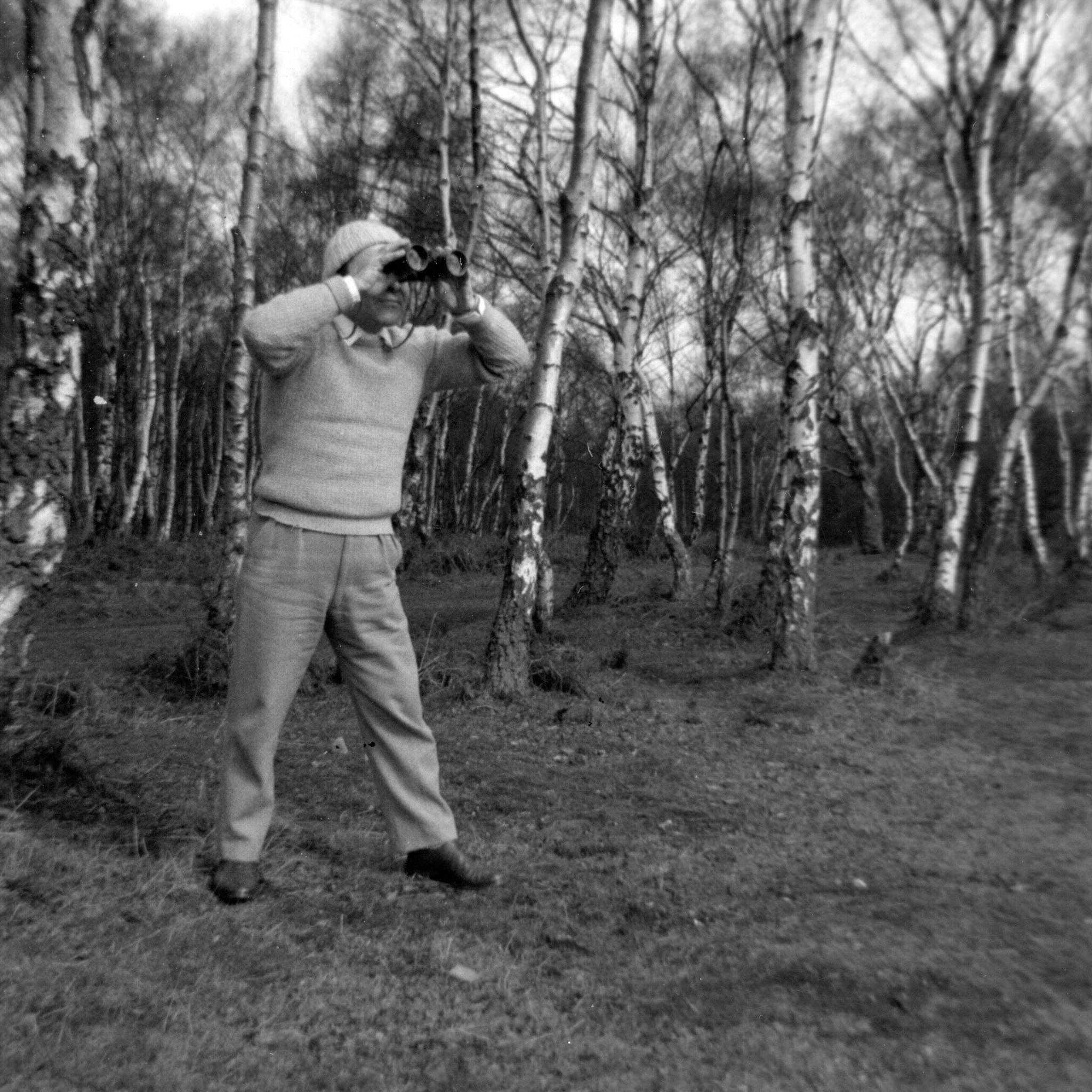
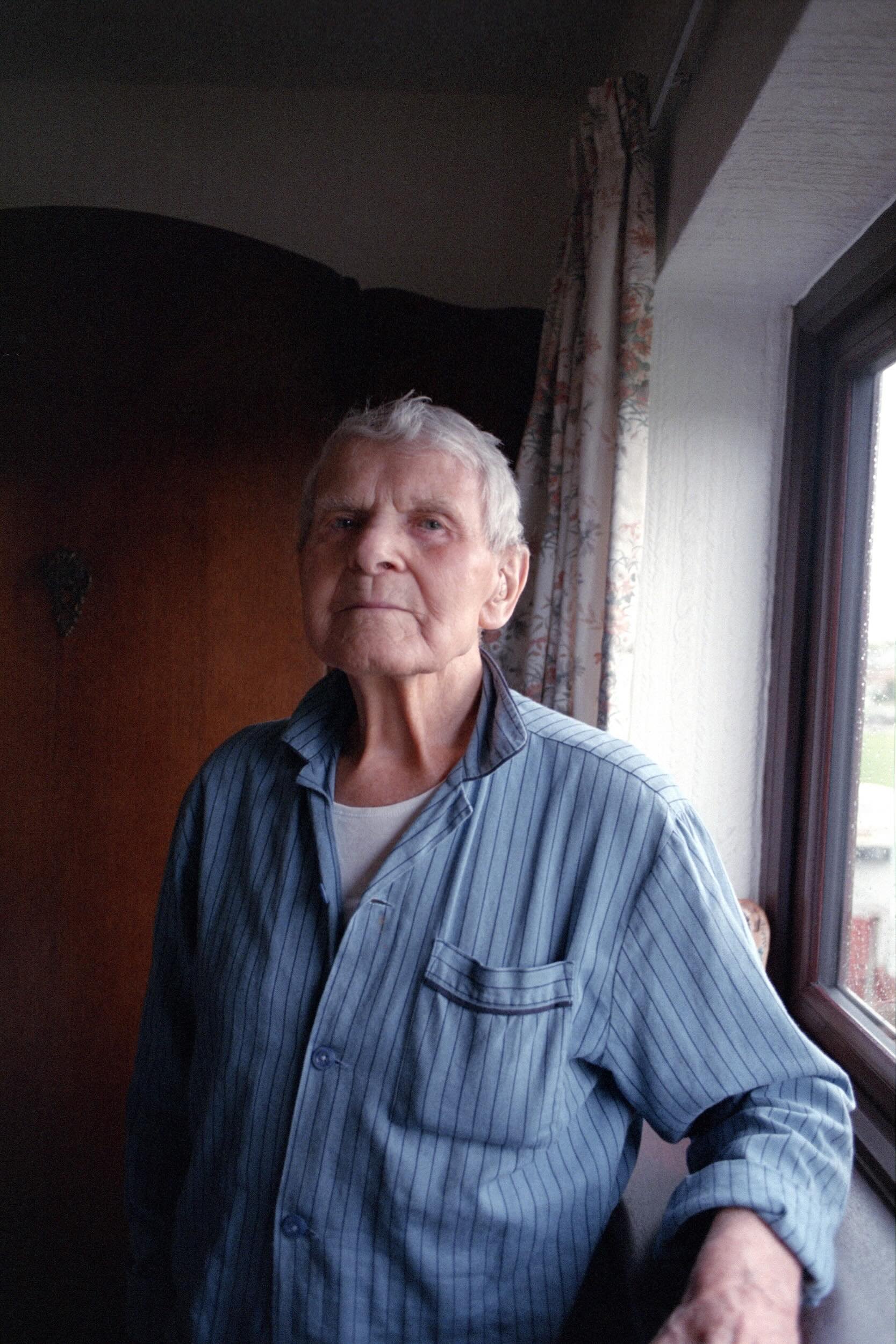
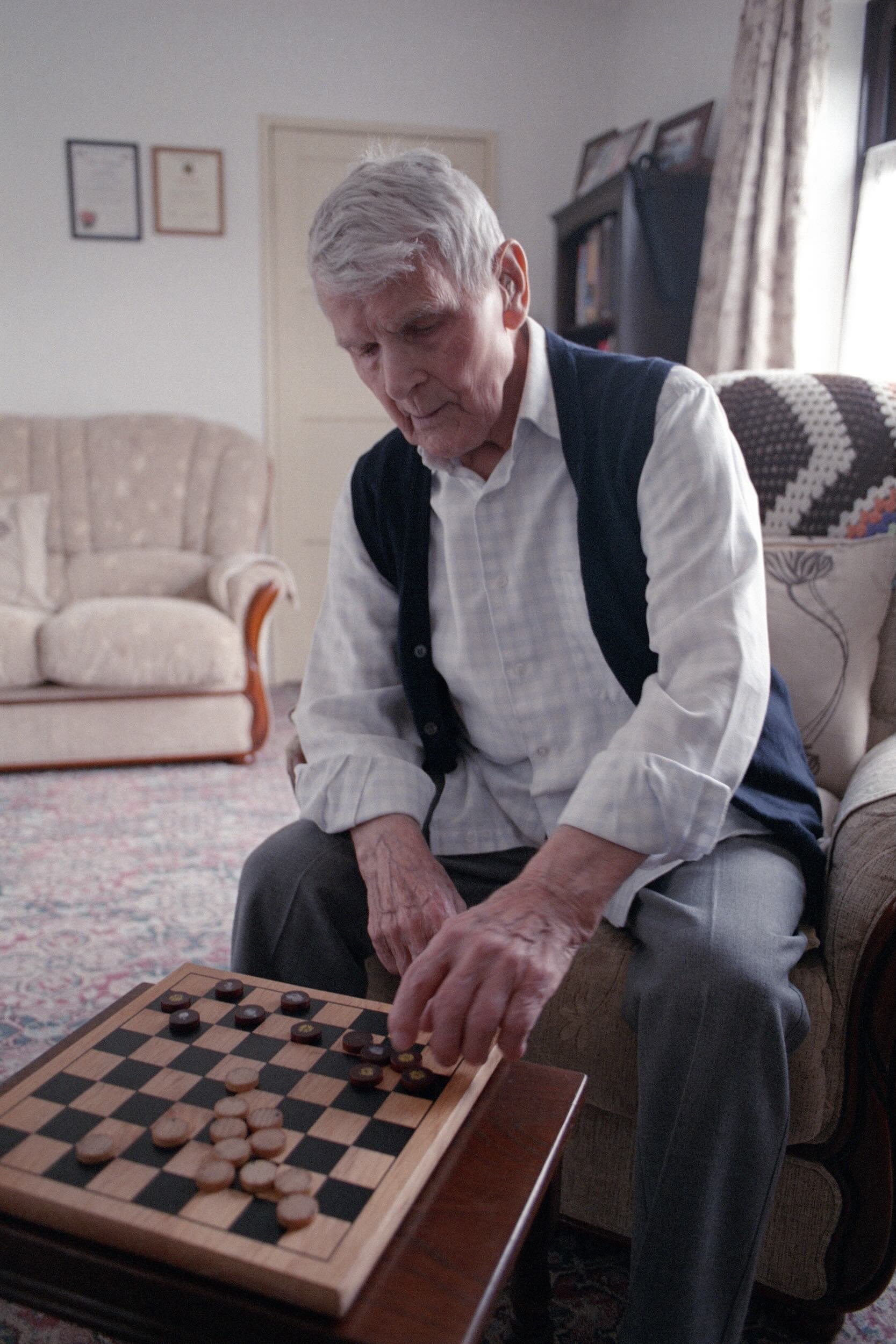
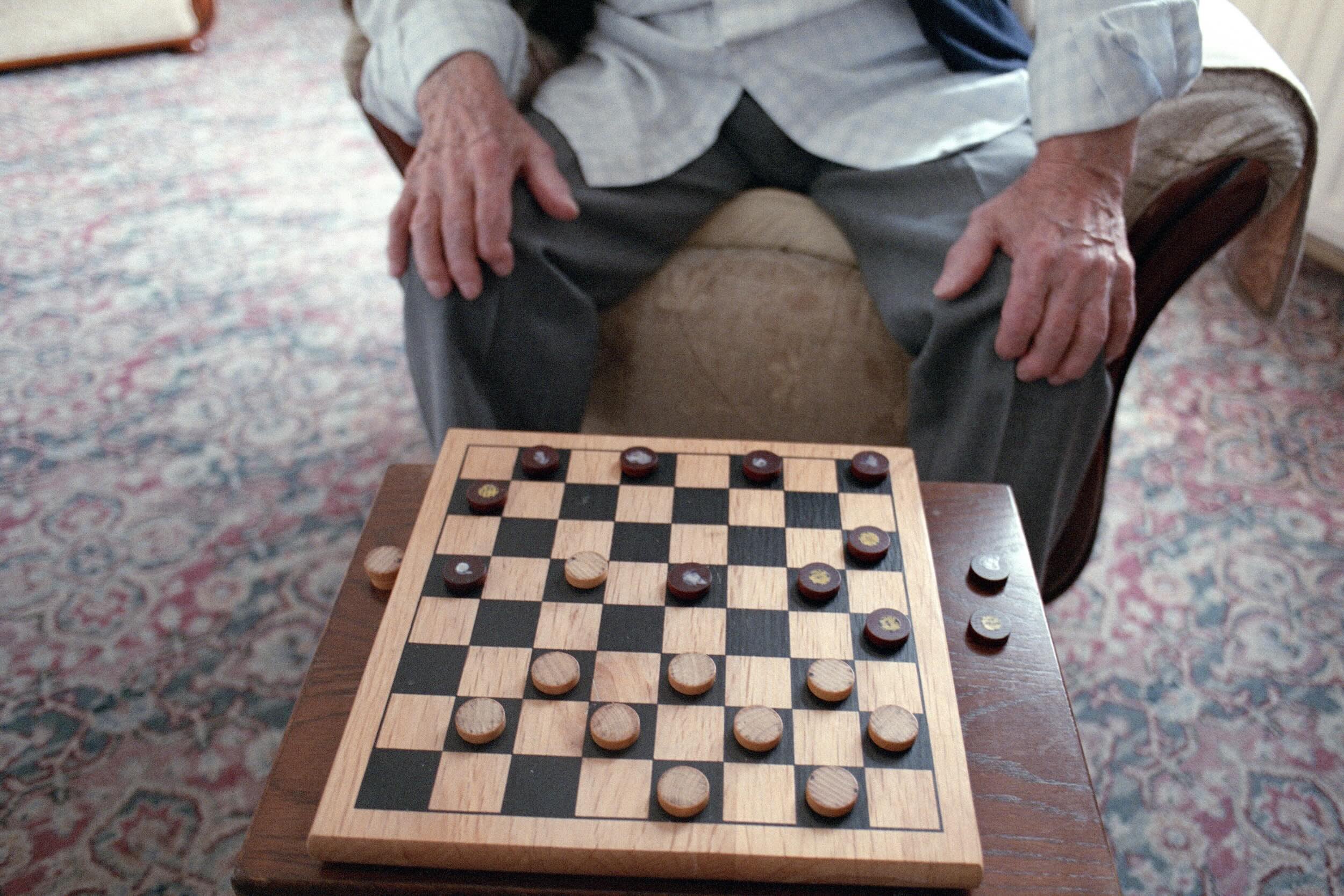
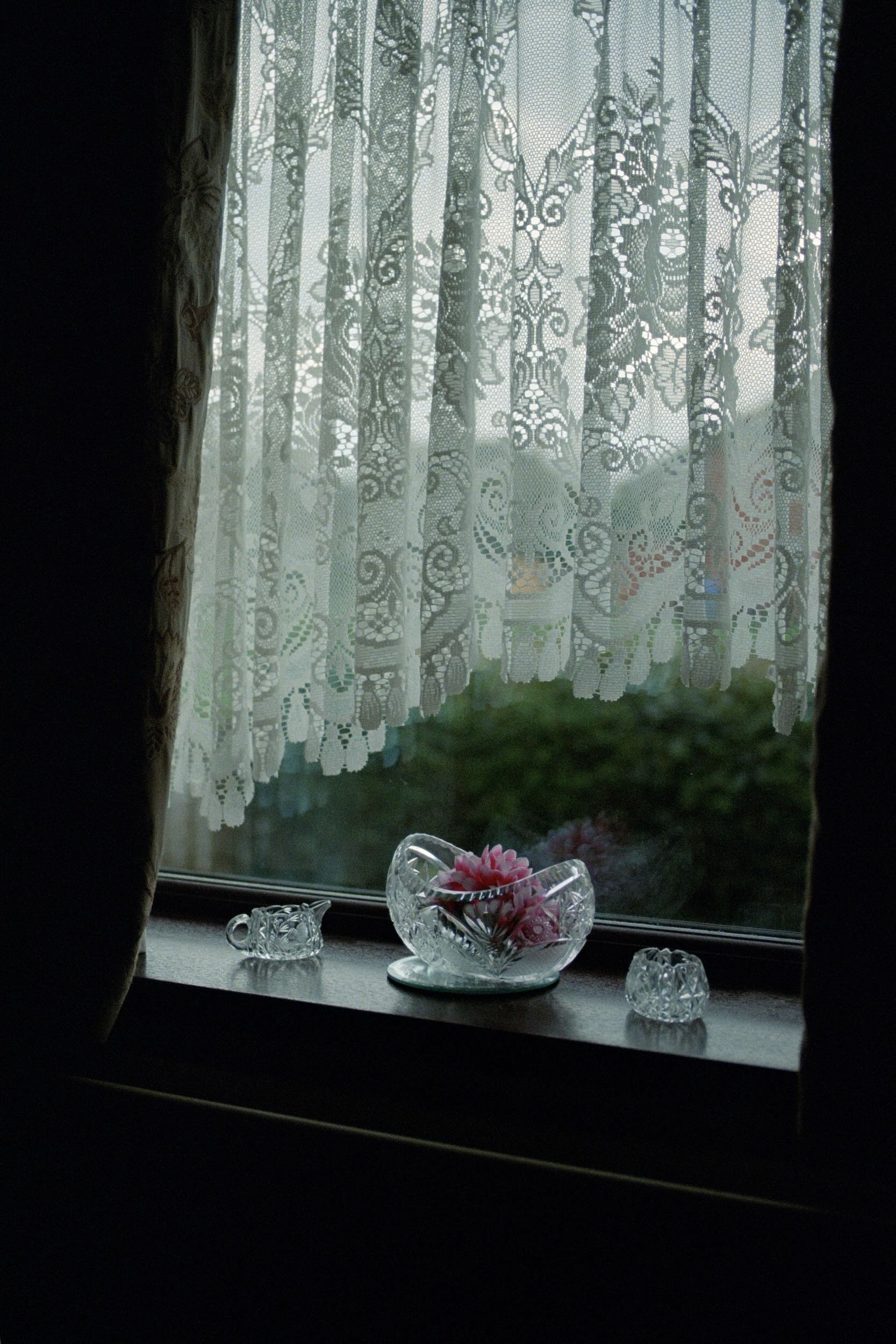
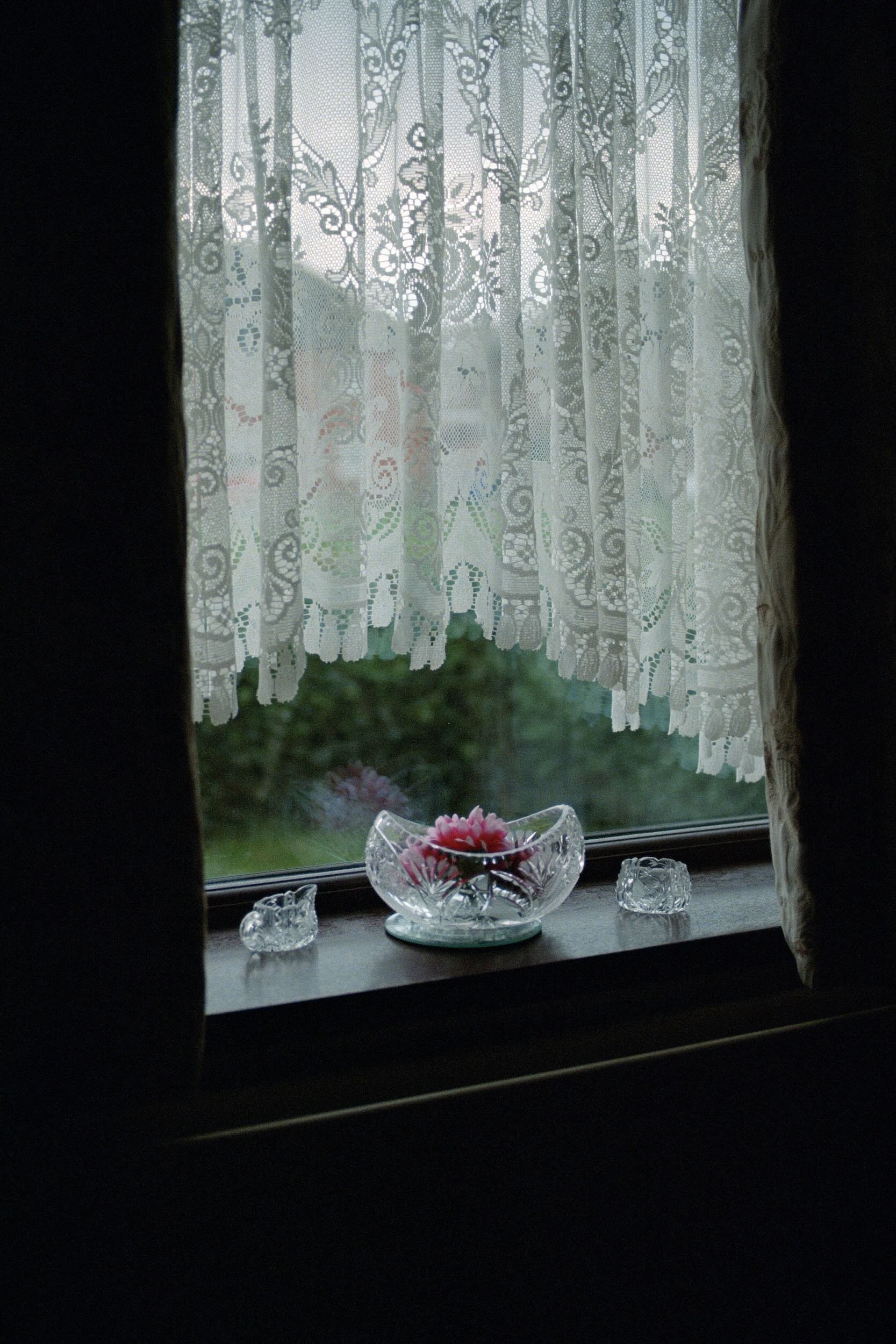
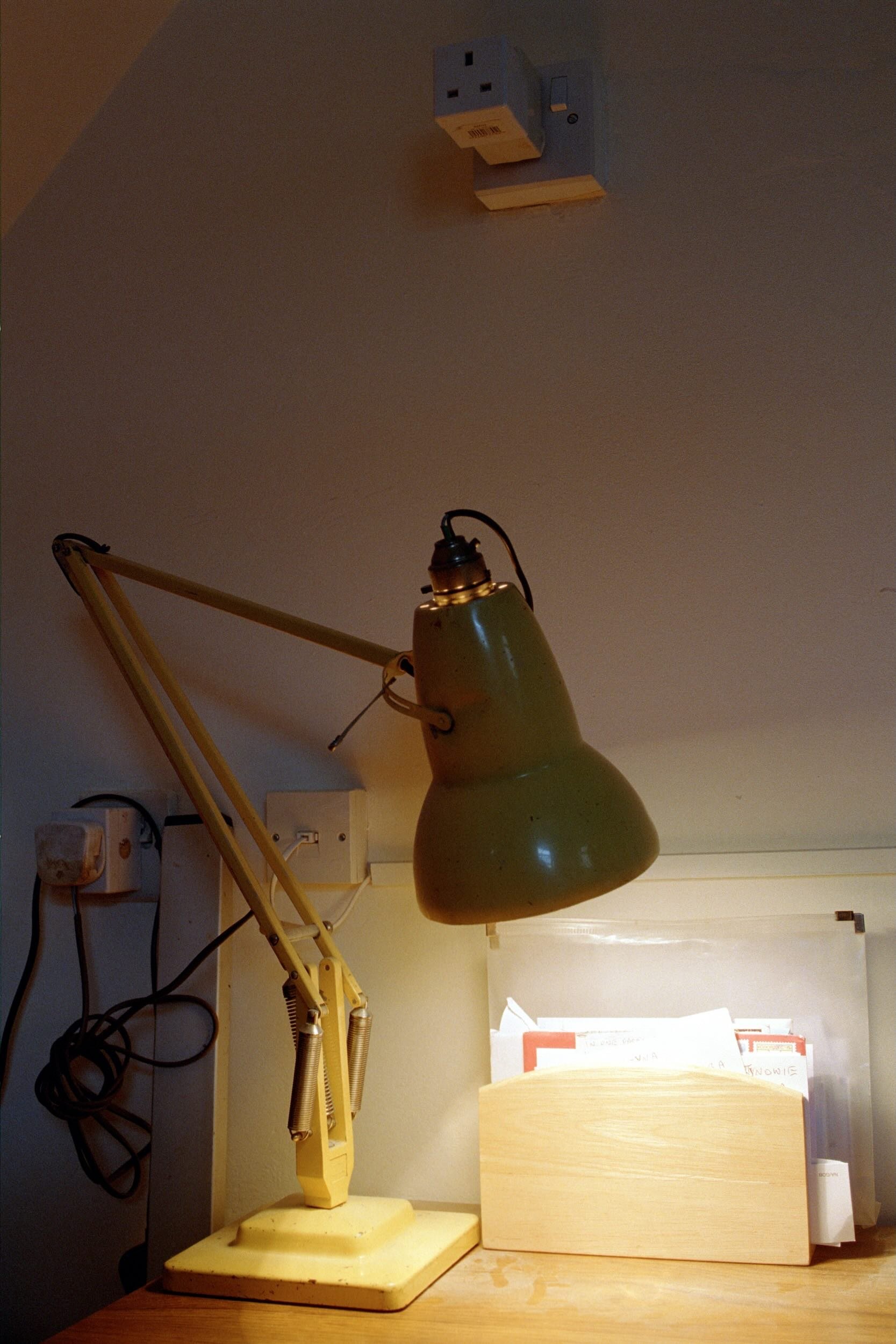
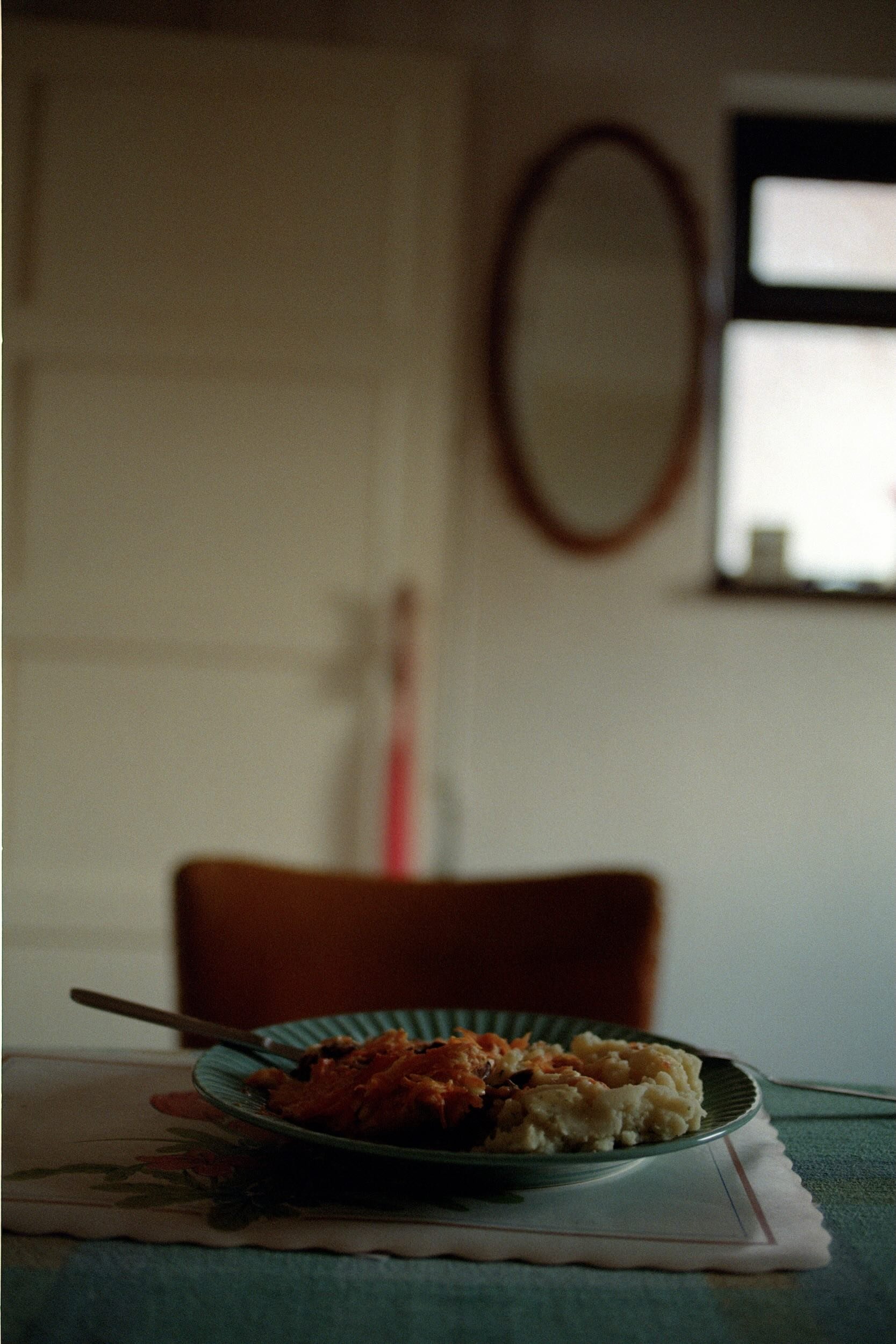
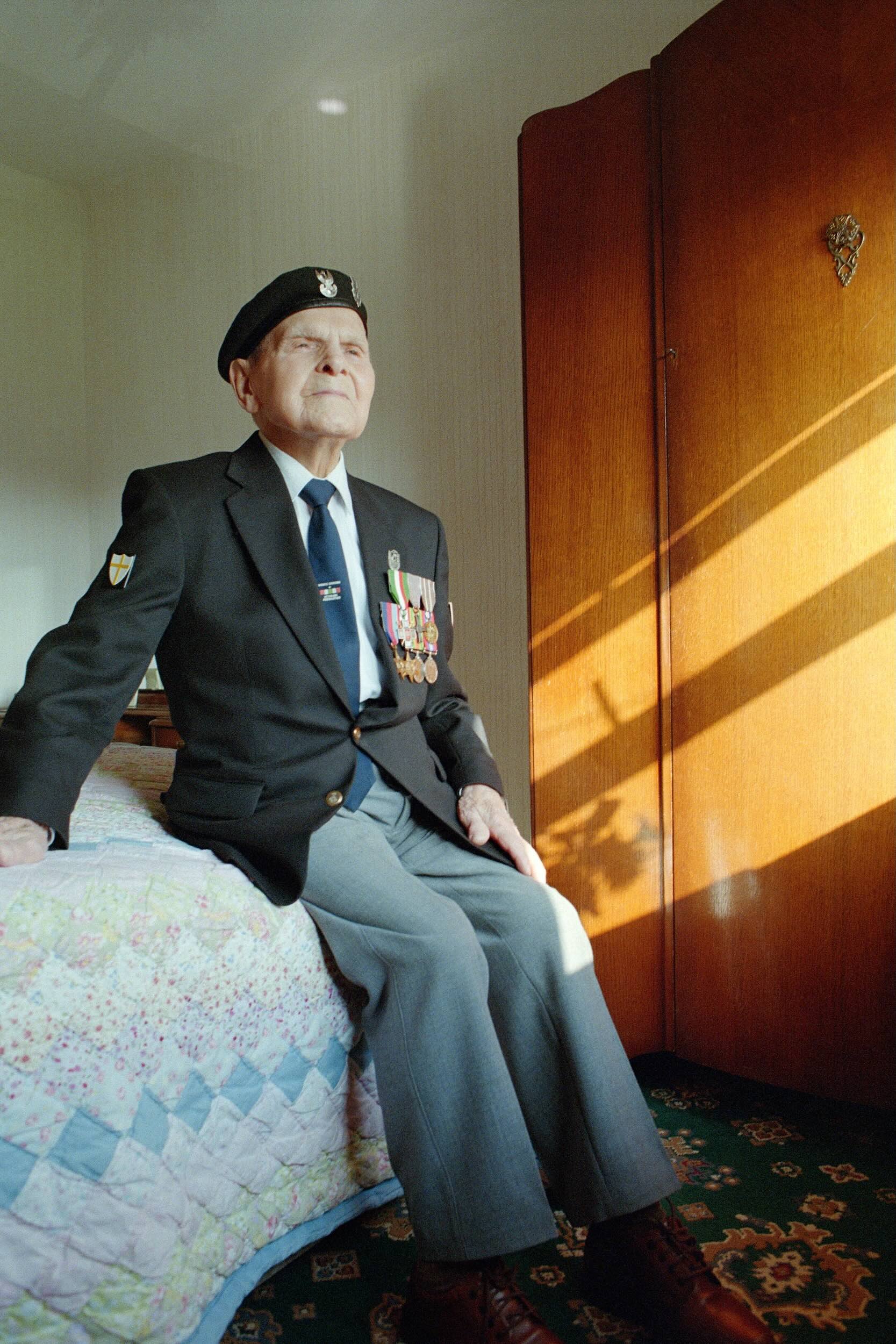
In 1983, in the foreword to Gulag Archipelago, Alexander Solzhenitsyn wrote: “If it were possible for any nation to fathom another people’s bitter experience through a book, how much easier its future fate would become and how many calamities and mistakes it could avoid. But it is very difficult. There always is this fallacious belief: ‘It would not be the same here; here such things are impossible.’”
Alas, the evil of the twentieth century is possible everywhere on earth. Yet I have not given up all hope that human beings and nations may be able, in spite of all, to learn from the experience of other people without having to live through it personally.”
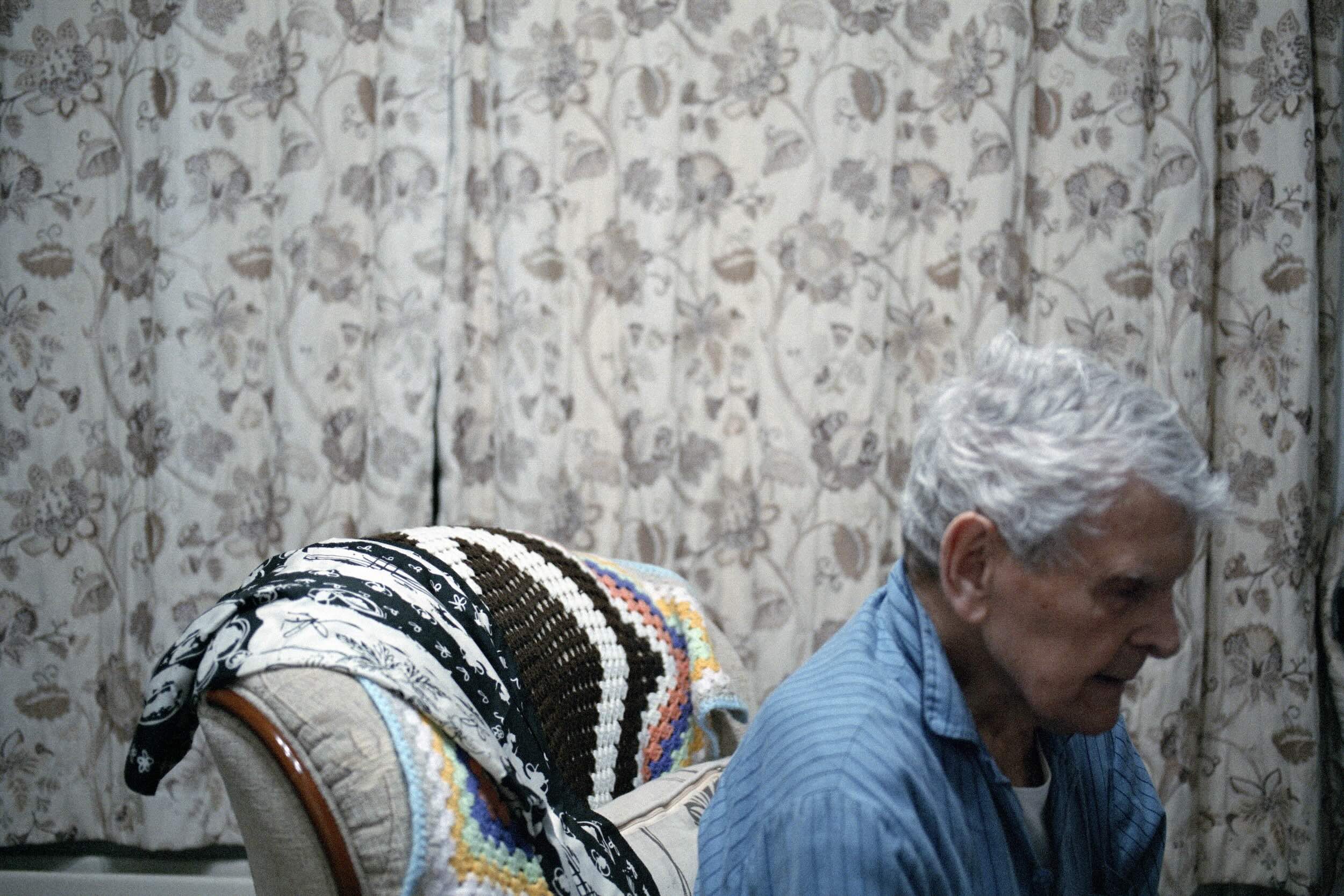
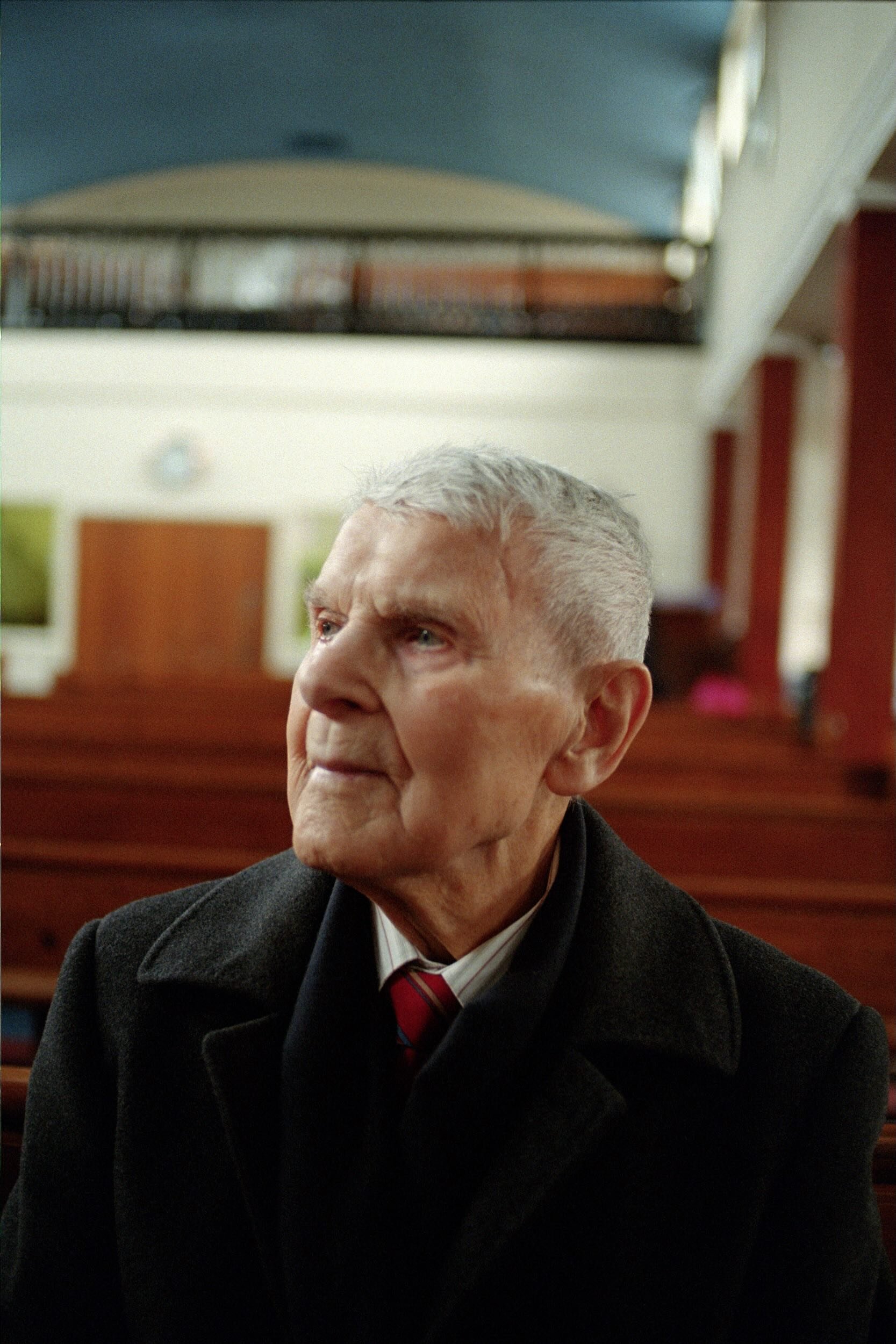
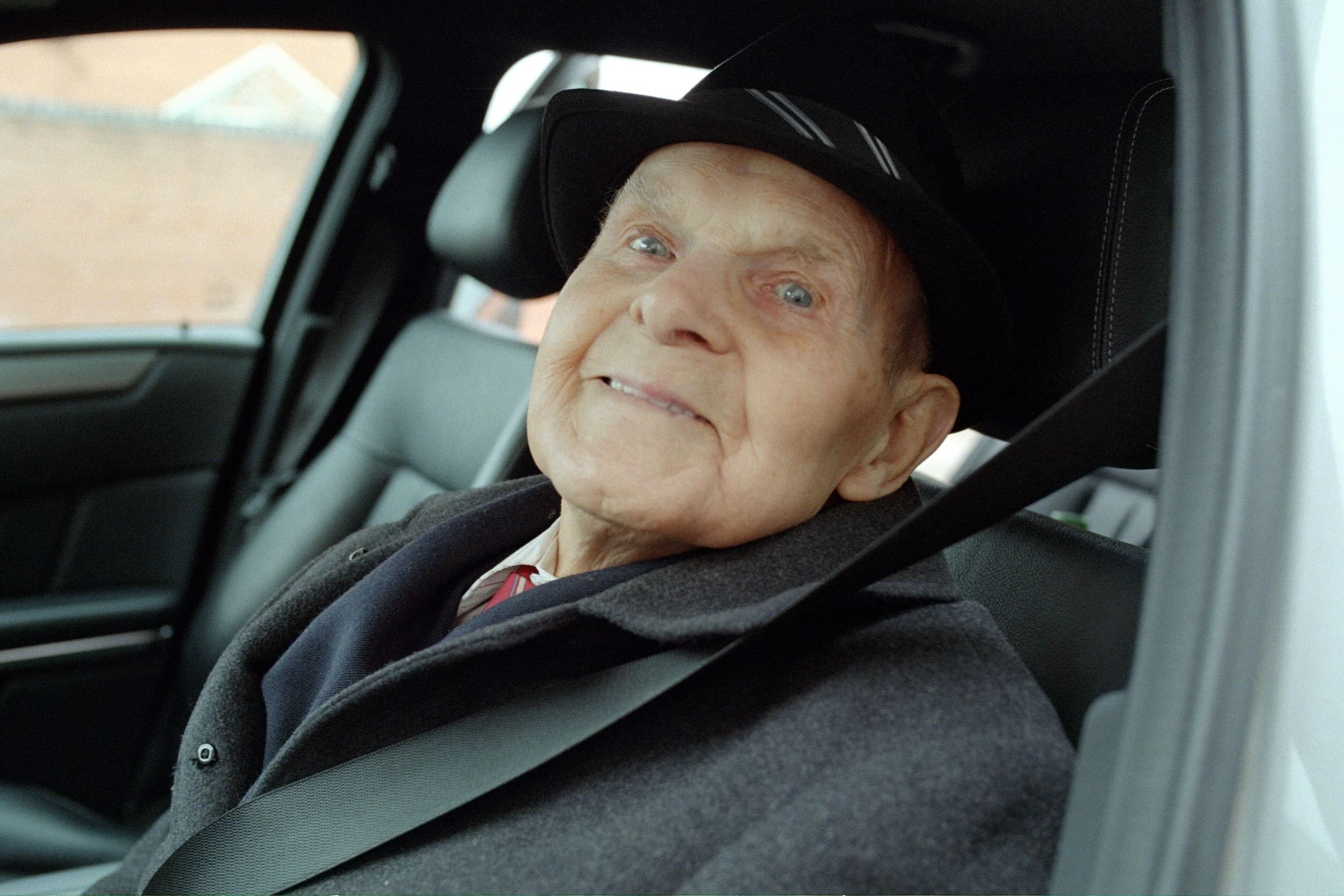
Can the life of Walerian ‘Val’ Tyminski, a Second World War veteran, be a living testimony to the cruellest tragedies he witnessed as the war raged through his teenage years?
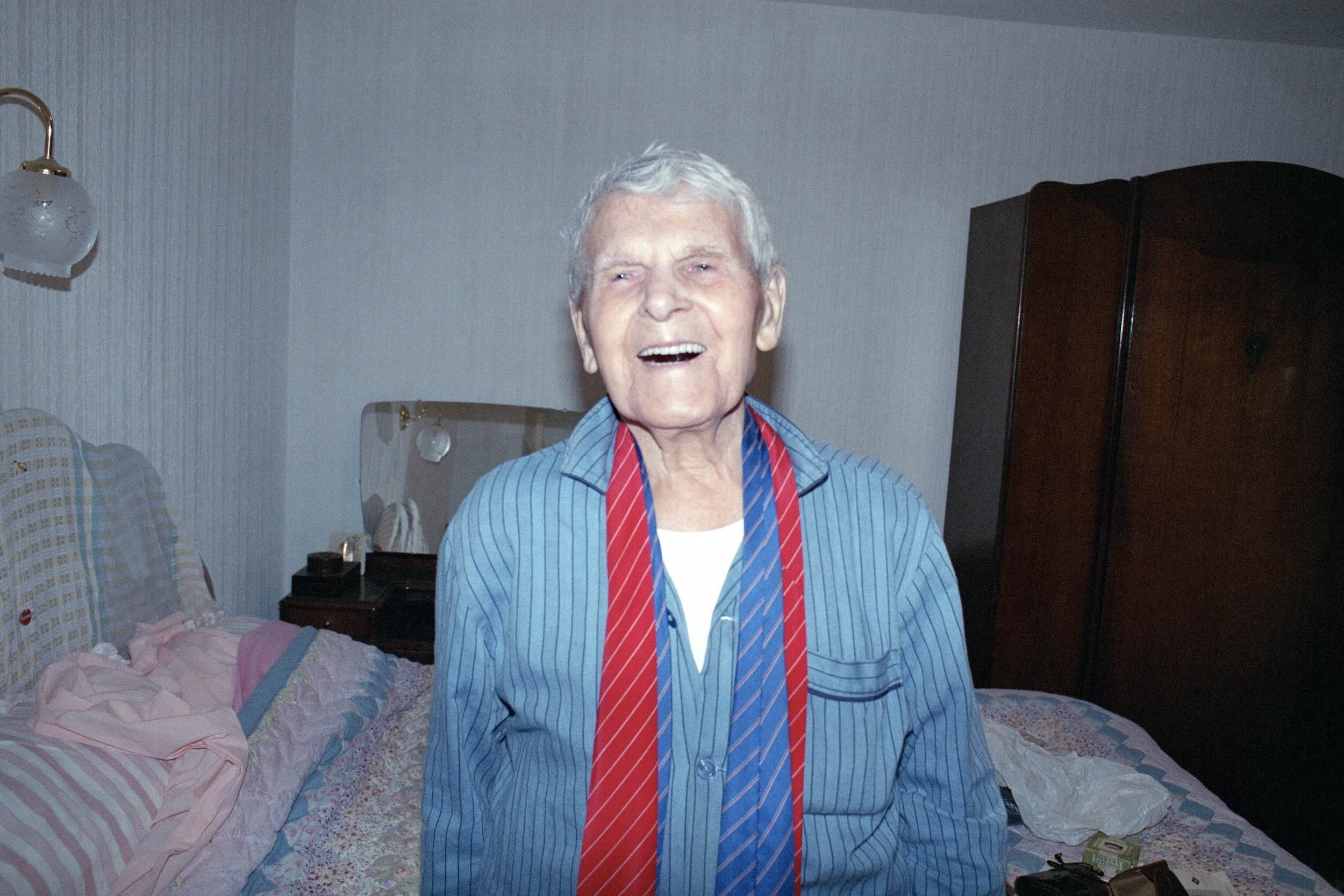
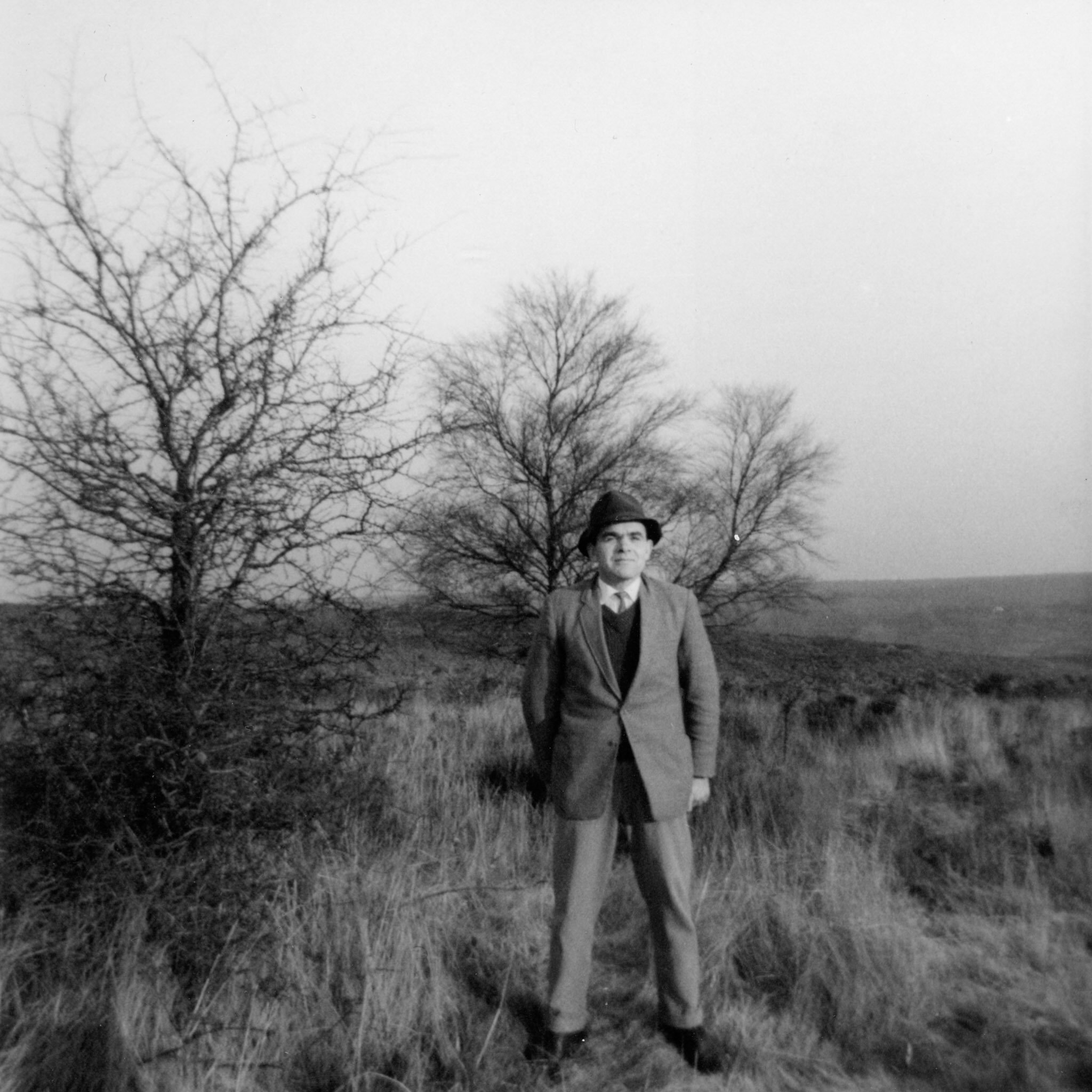
I first met Val in 2006, when an eighty-year-old gentleman came to my newly bought house to install a satellite dish. He had worked most of his life as a TV repairman. I paid him thirty pounds for the installation, and he gave me a bonus: a set of metal folding steps. He said they were too heavy for him and that he needed lighter aluminium ones. Years later, I learned that Val was a World War II veteran. I met him again.
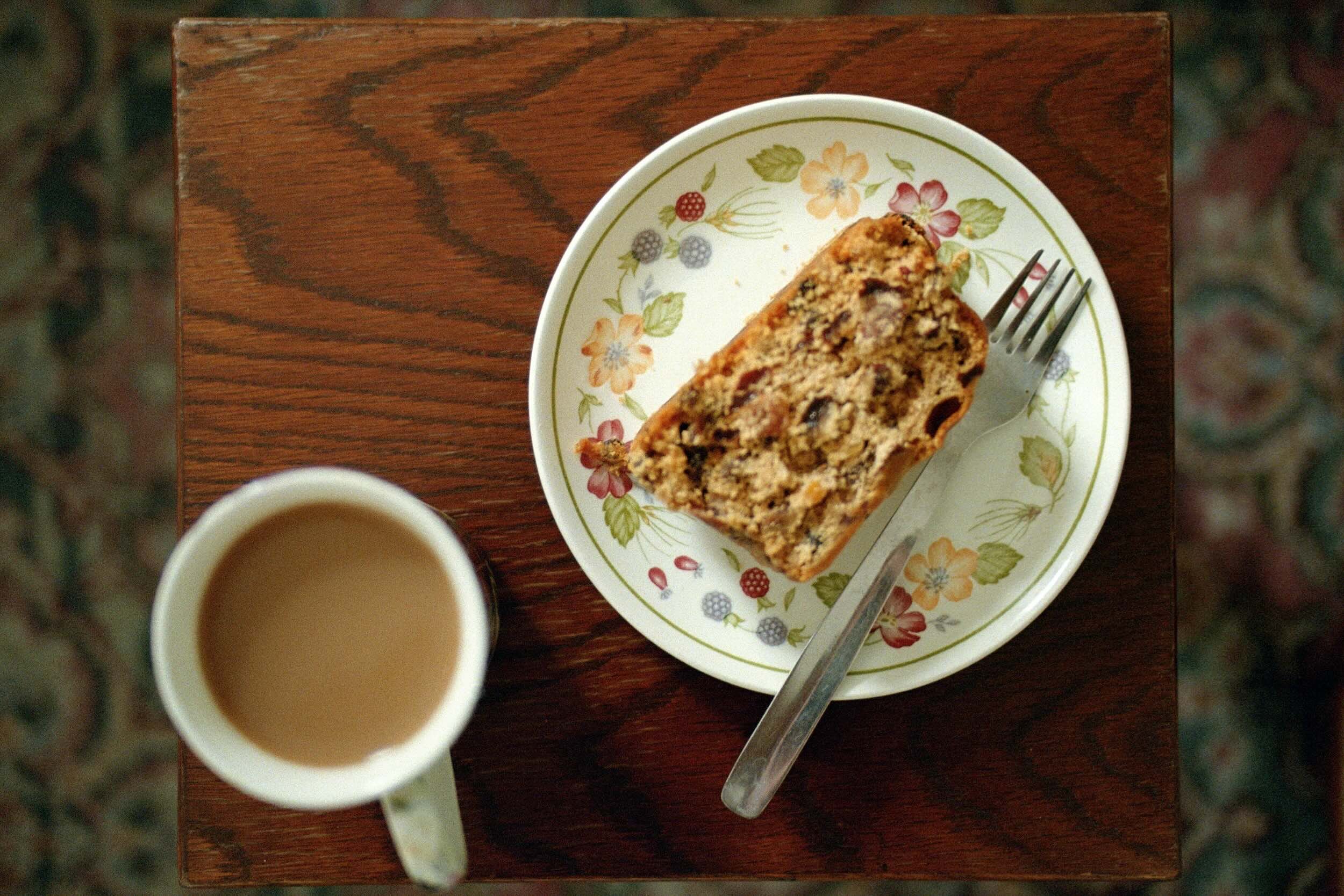
It was an early afternoon. Val welcomed me warmly into his house and cheerfully said, “My mind works better in the evening; in the morning it doesn’t work at all, and in the afternoon it’s neither here nor there.”
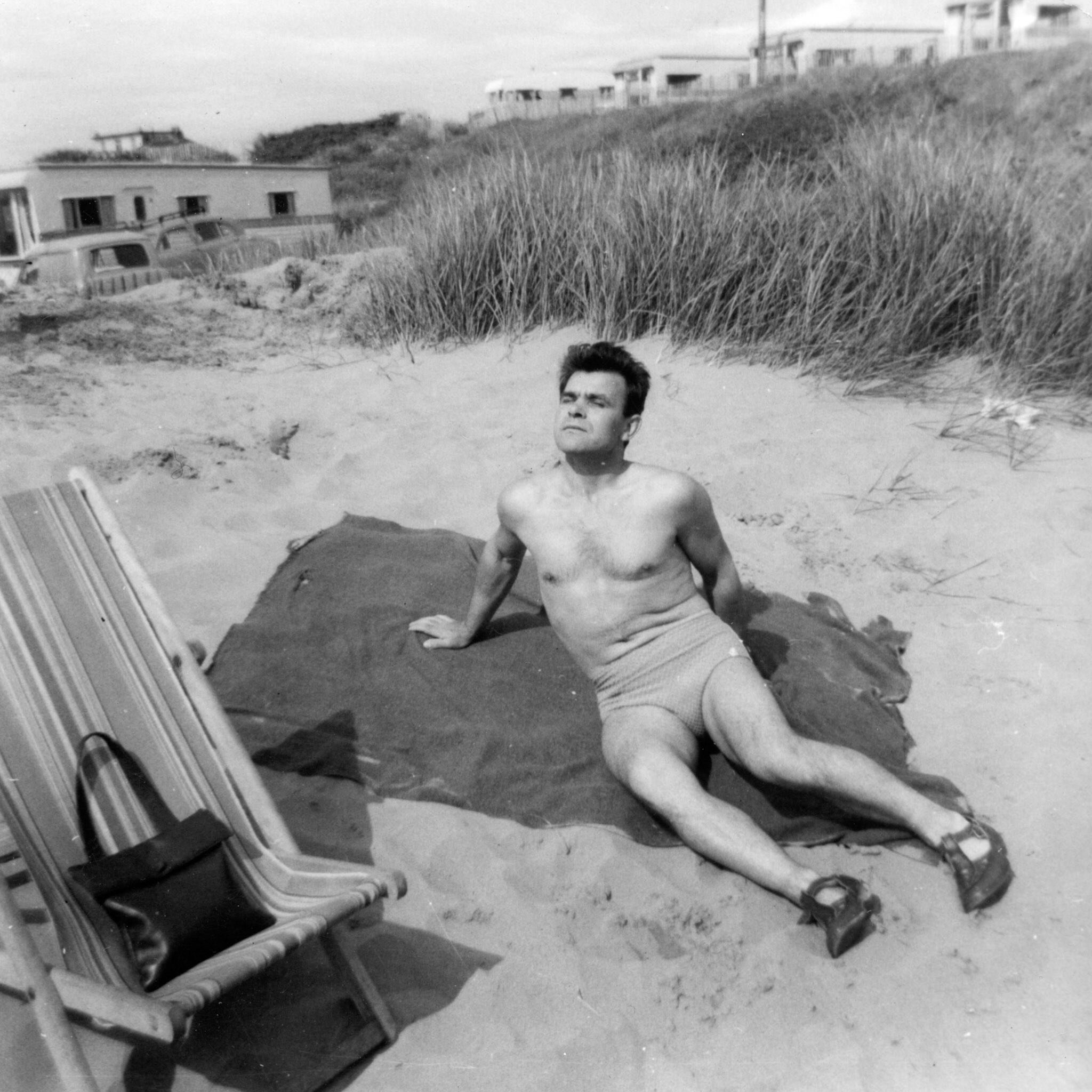
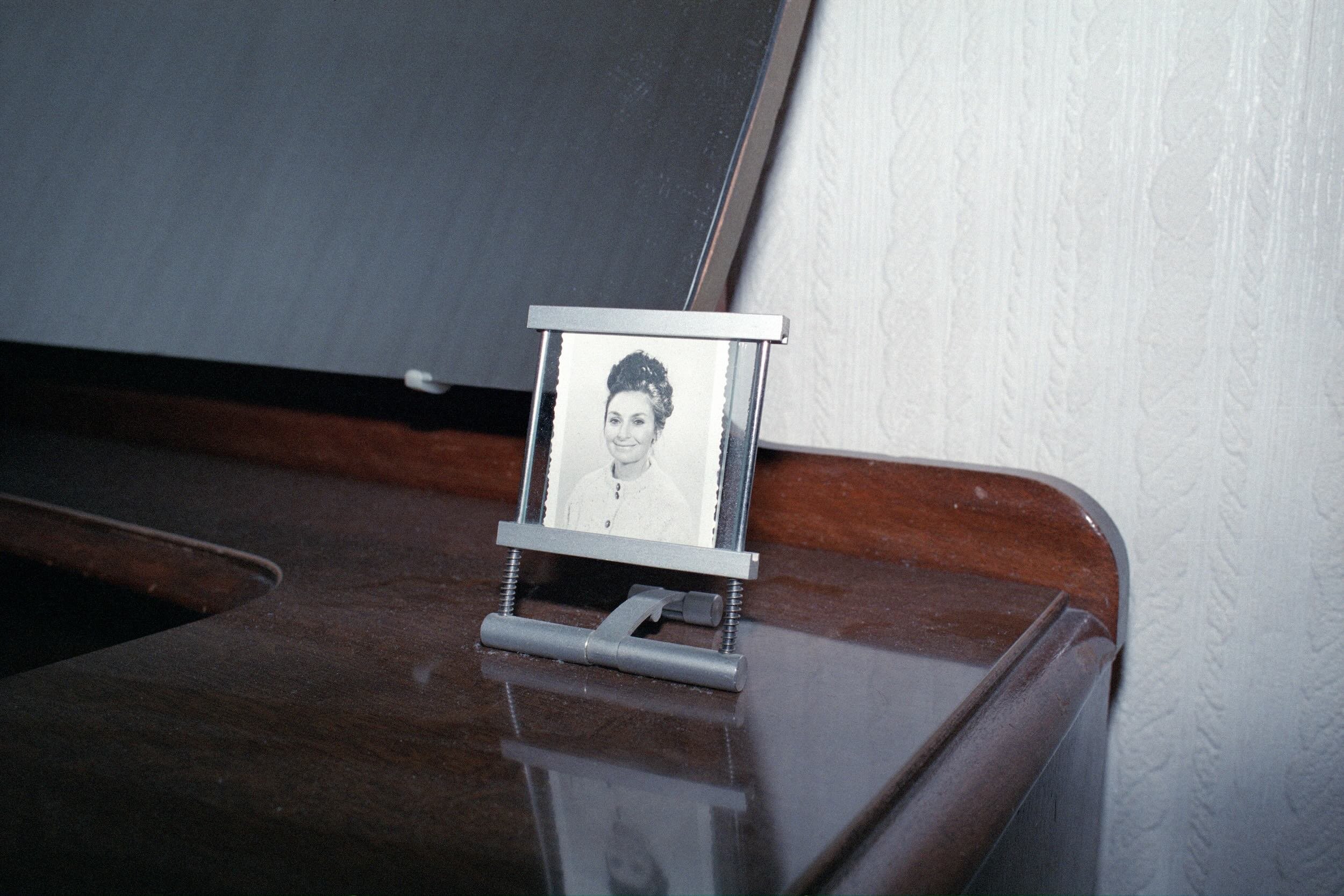
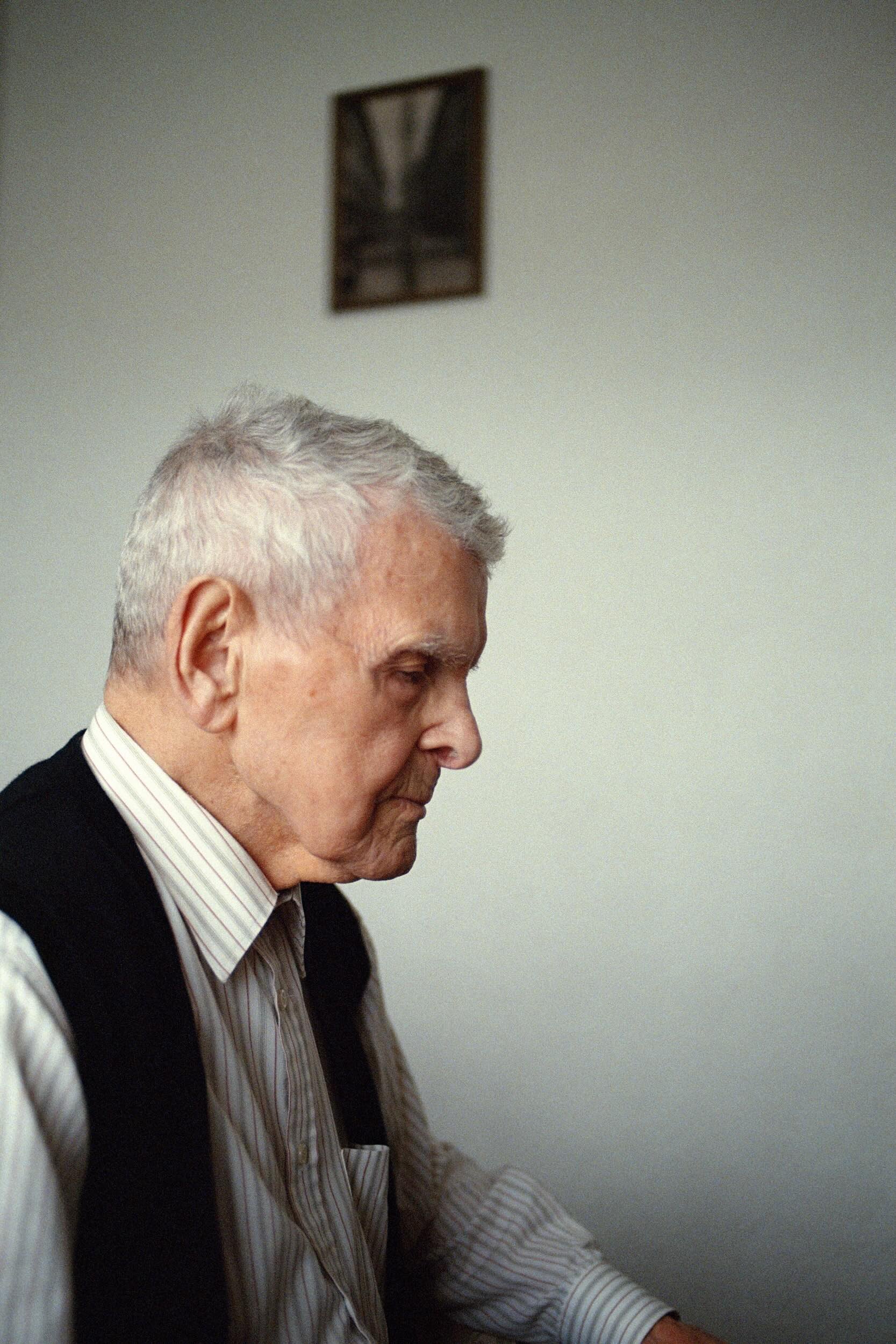
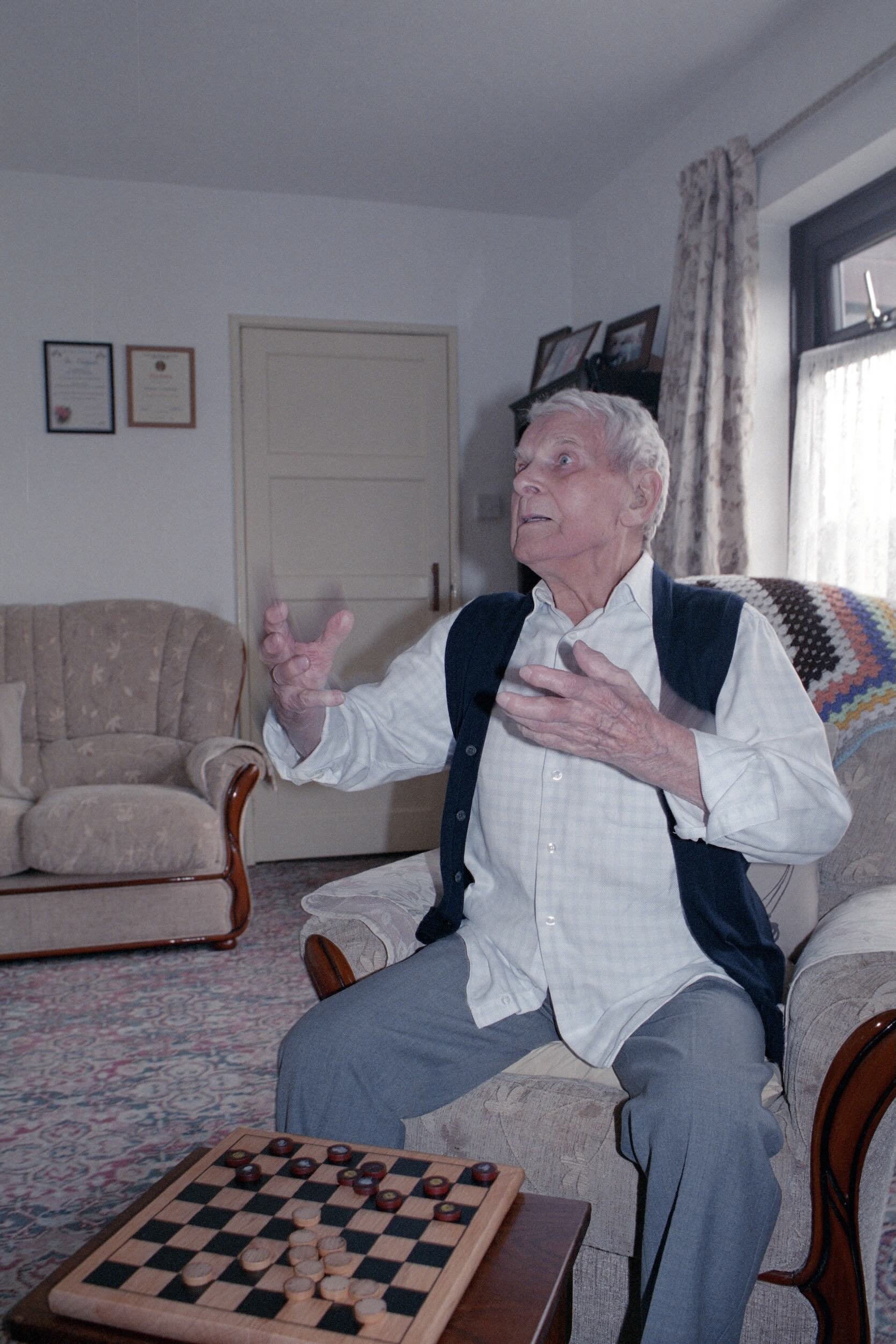
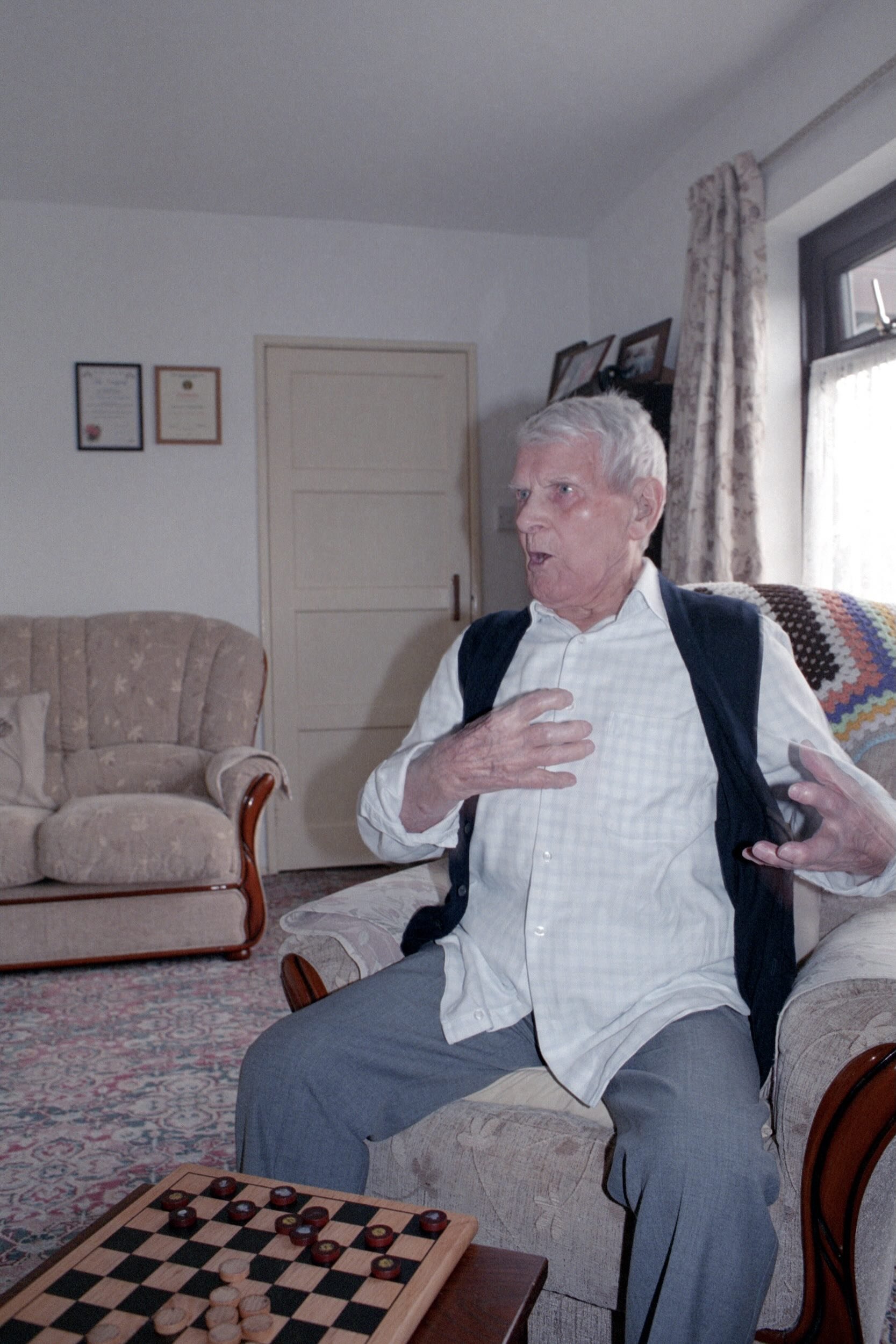
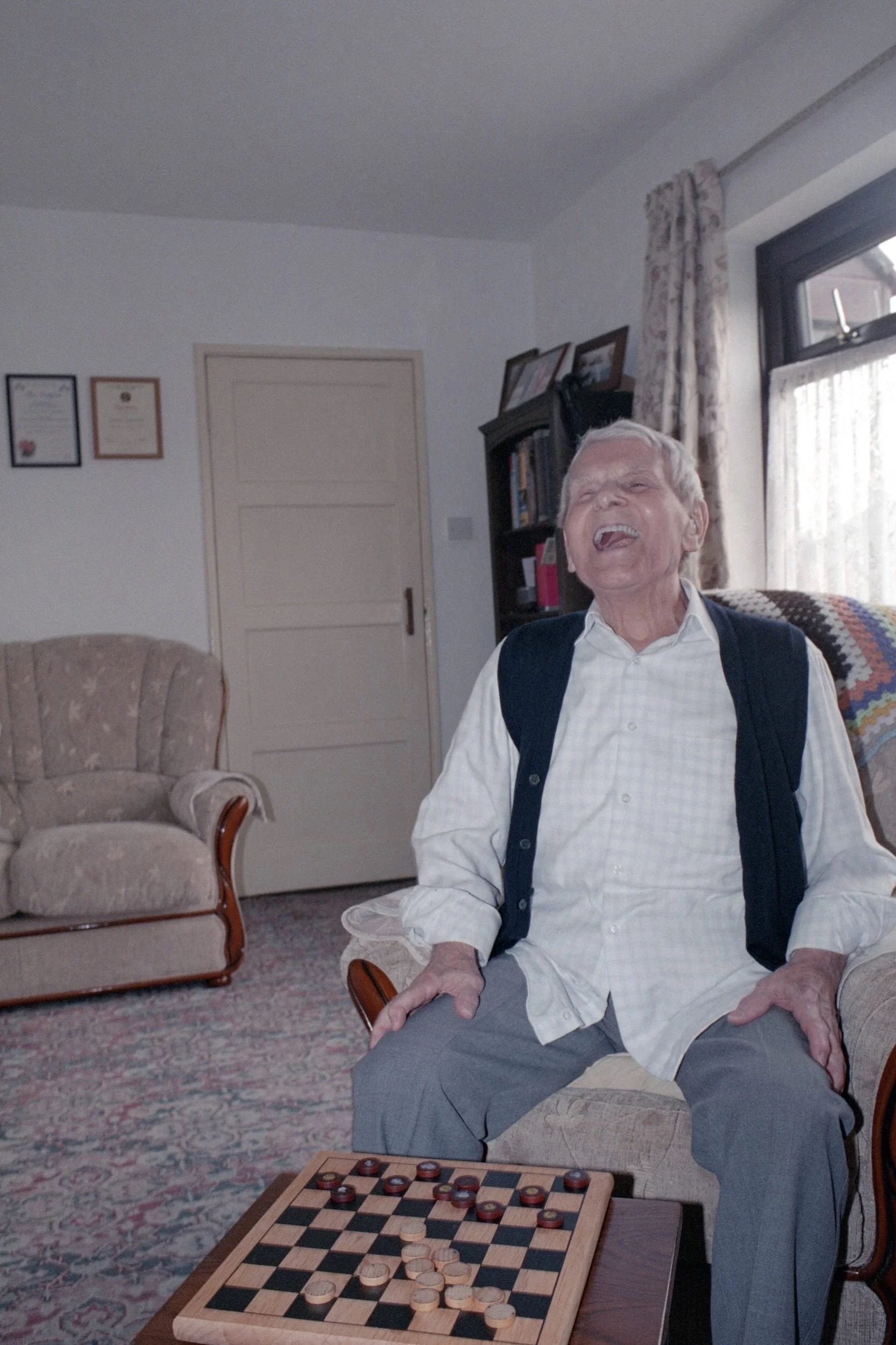
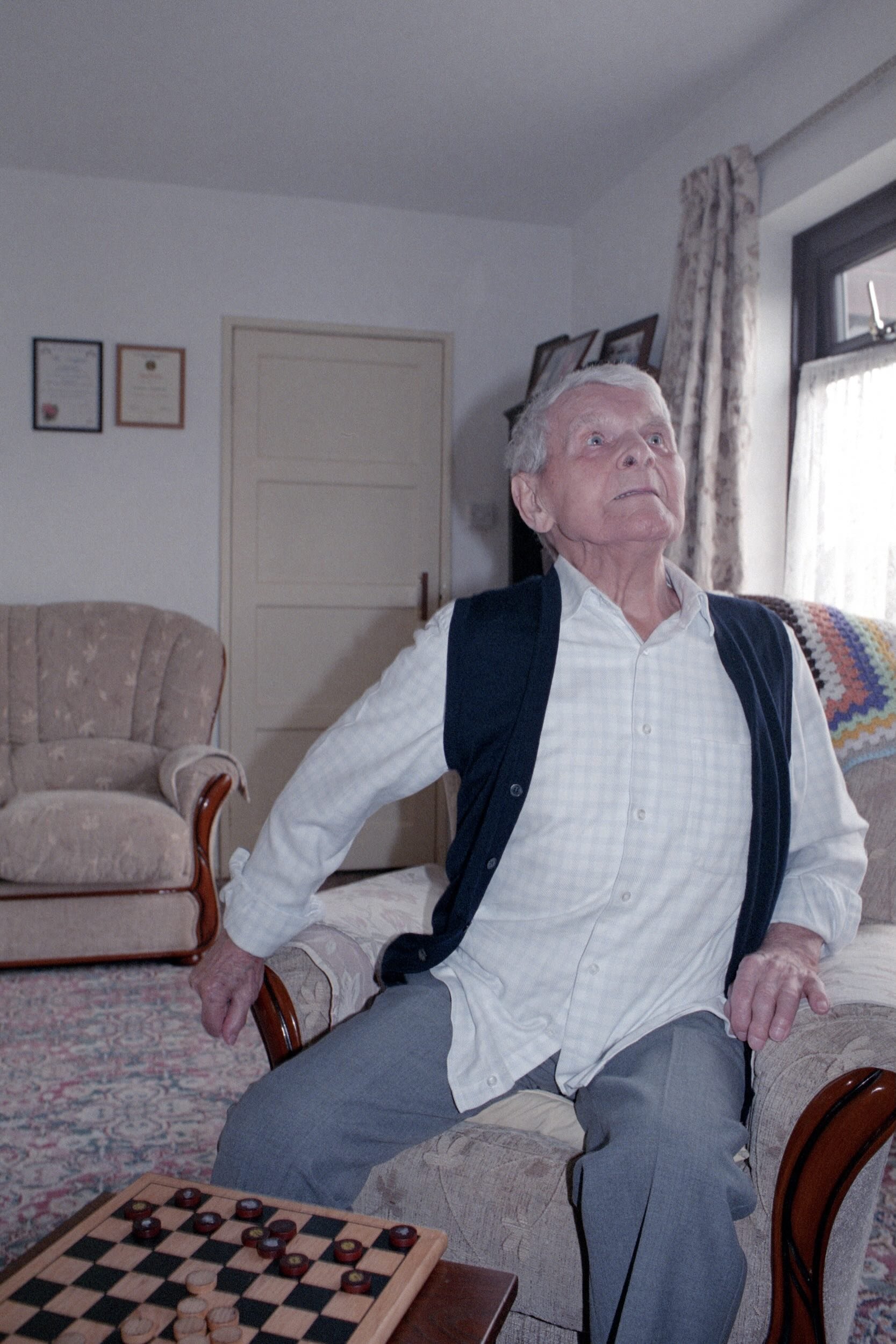
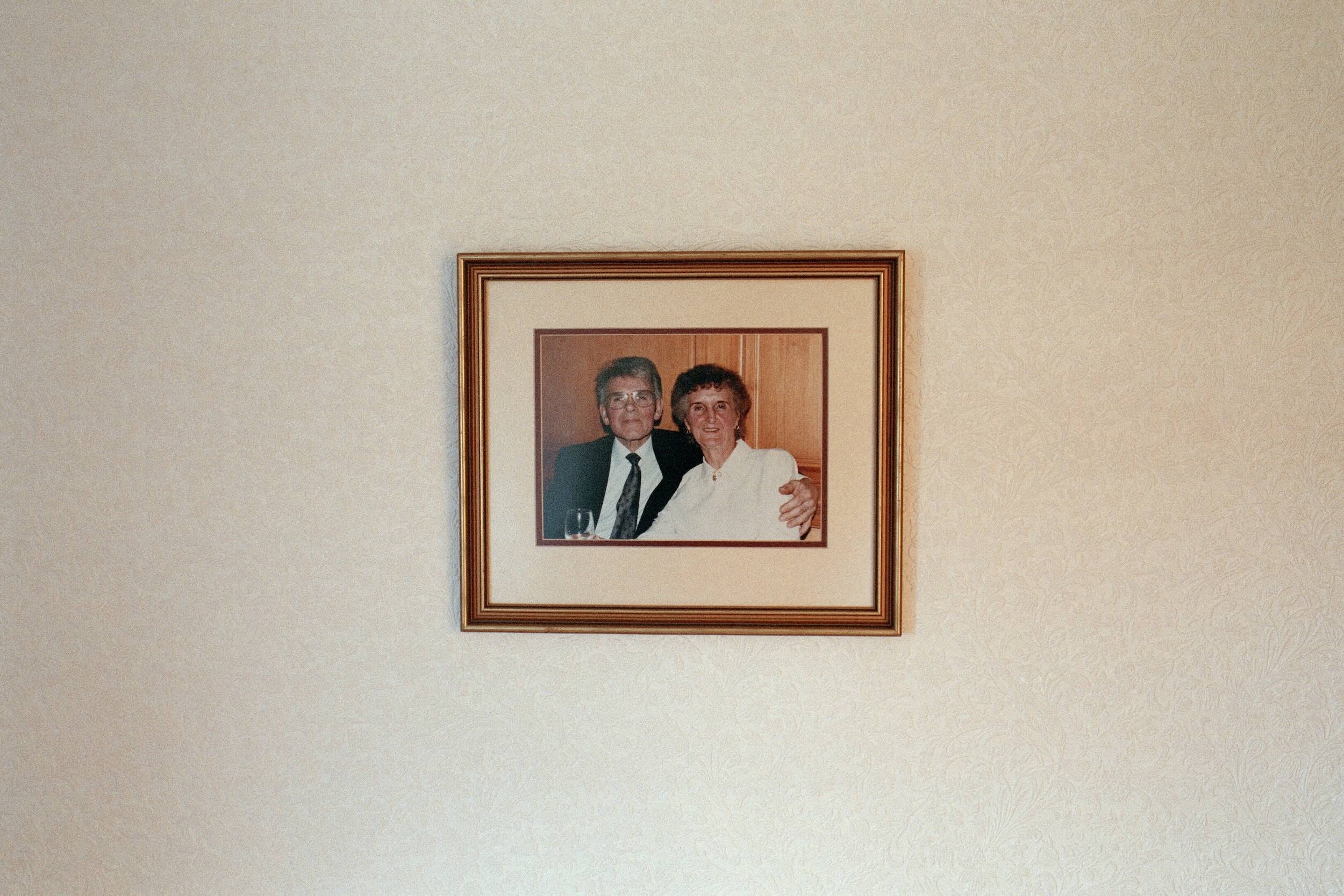
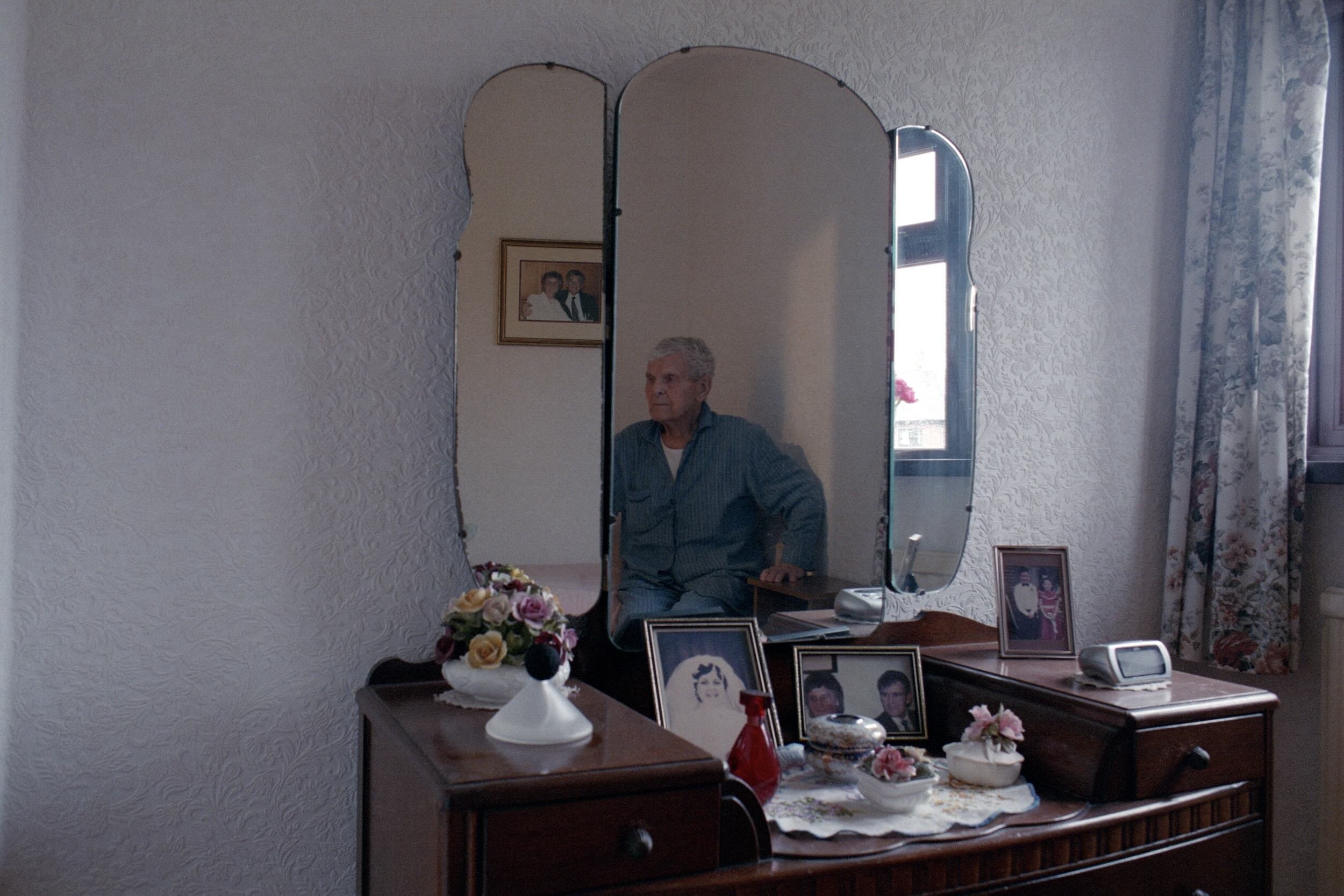
We were standing next to a bookcase filled with framed family pictures. Val, picking up the pictures one by one, spoke about them, and I took pictures of him. The camera did not seem to bother him. In no time, I was a regular at Val’s home.
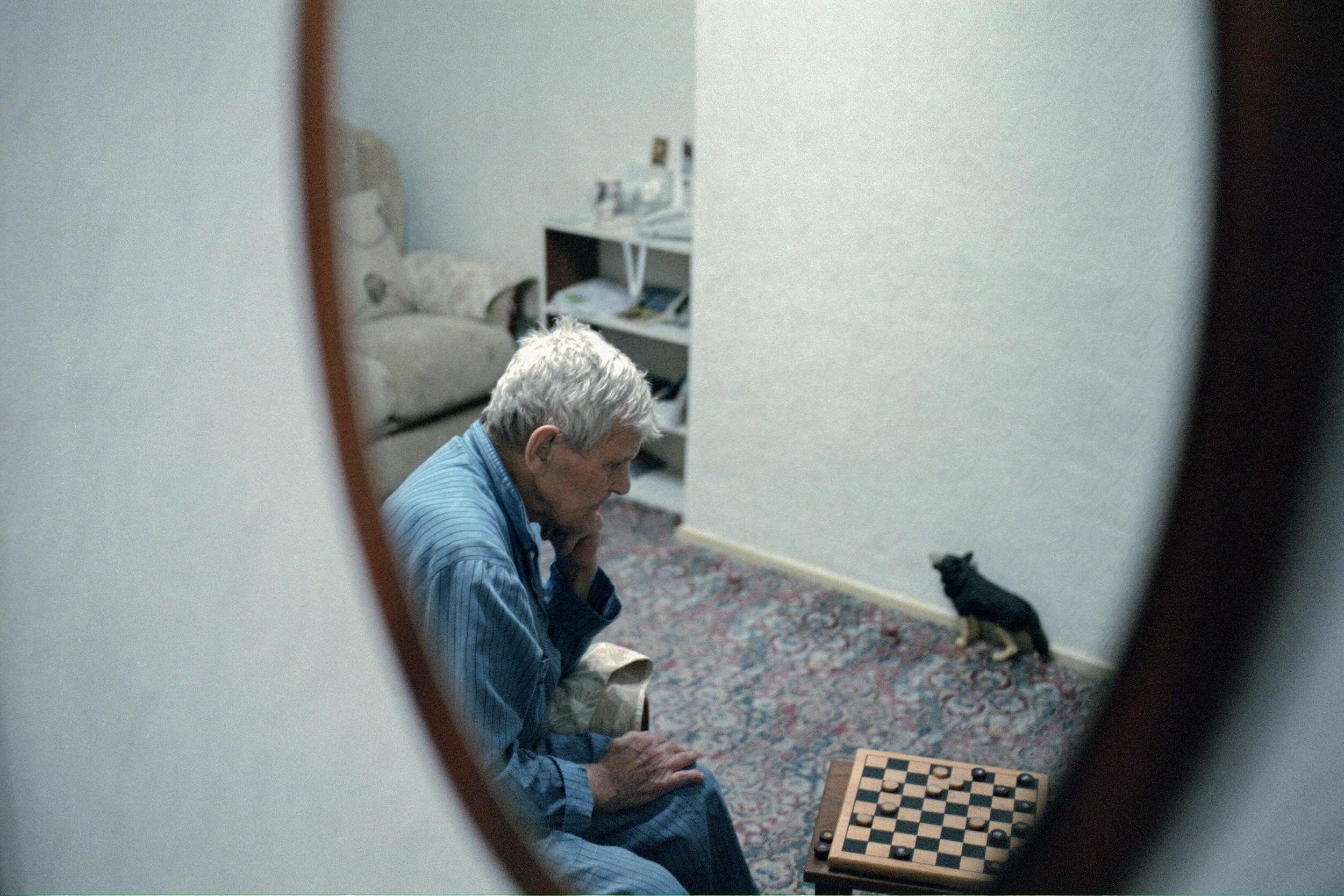
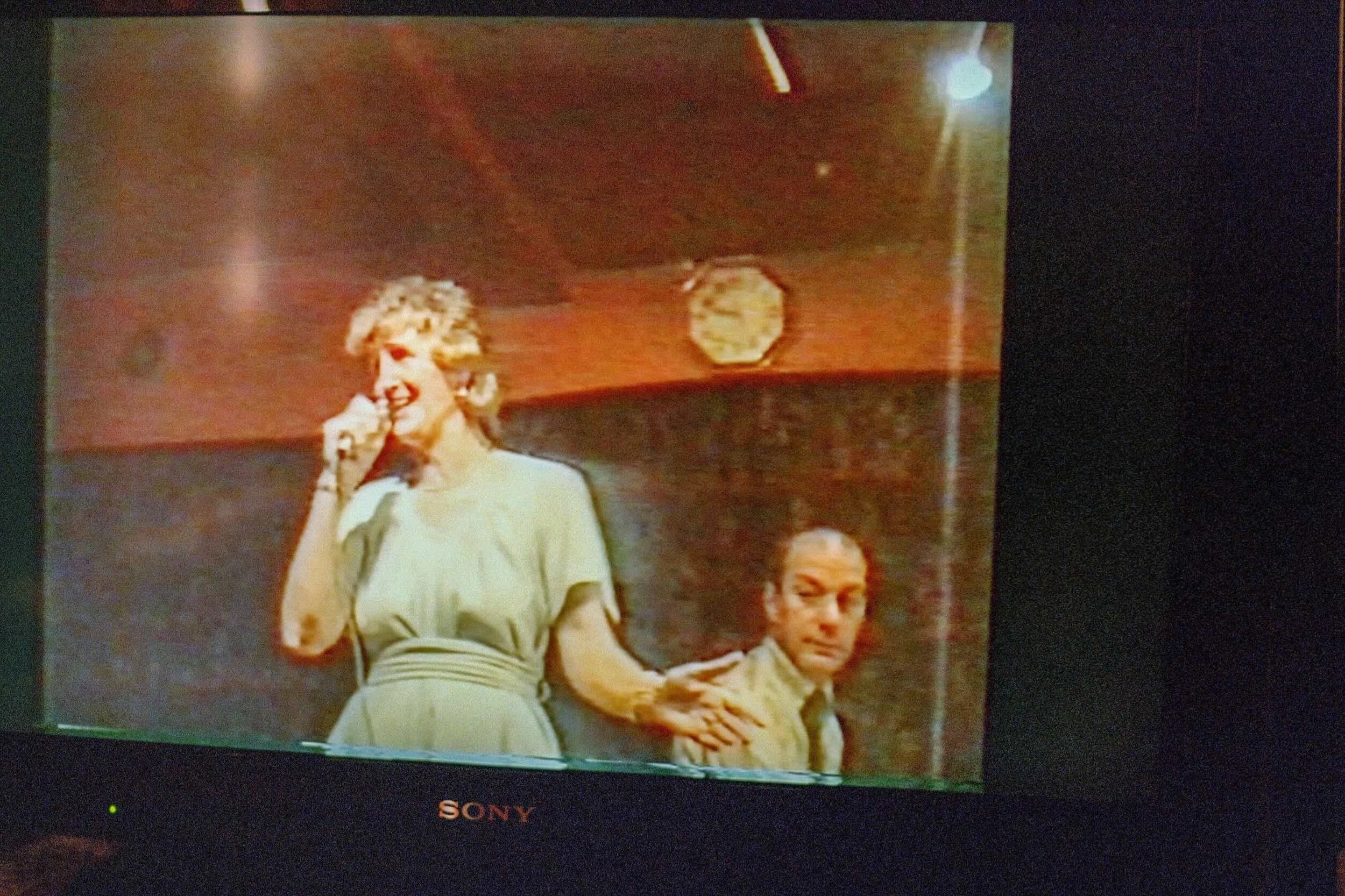
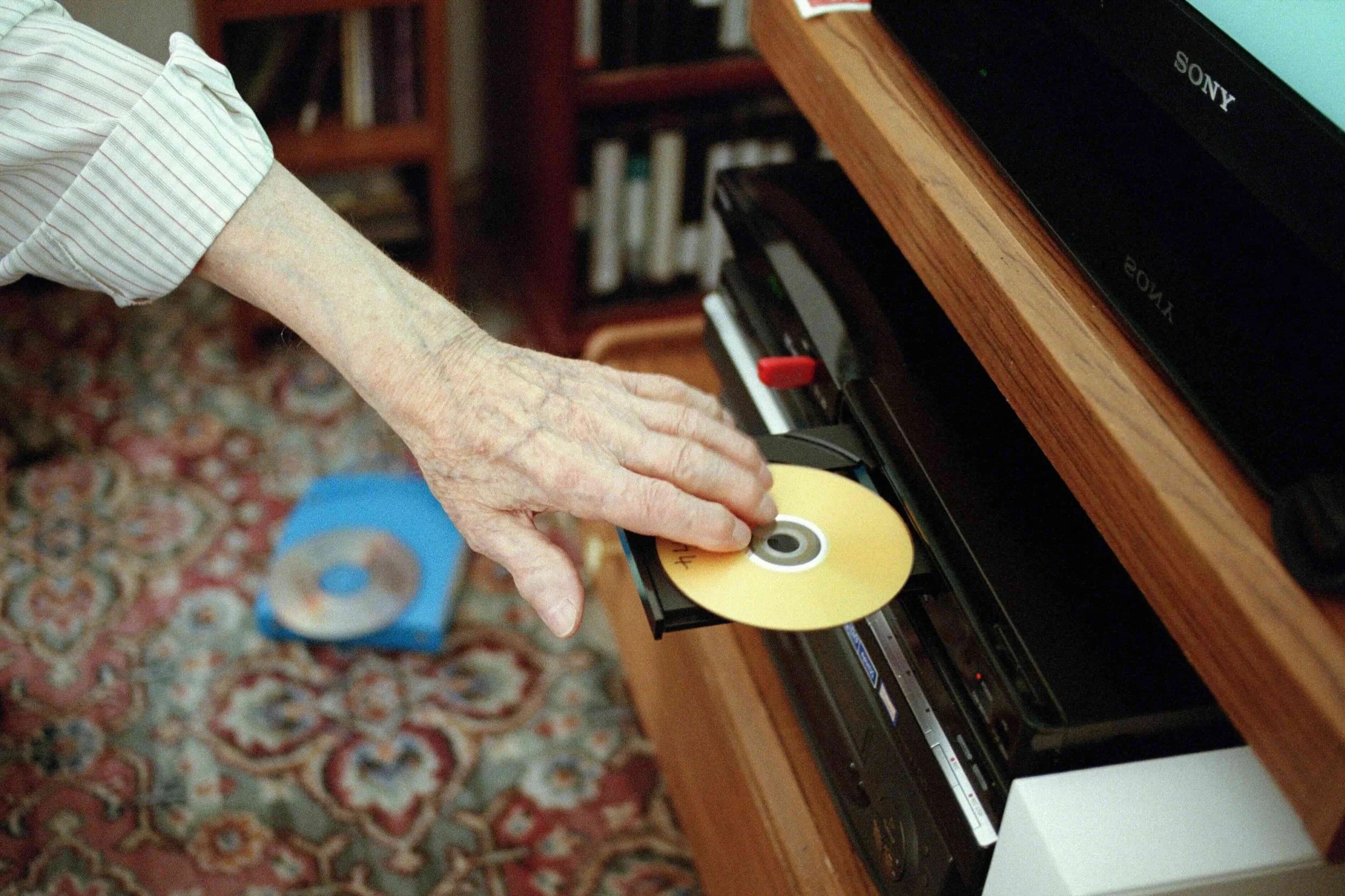
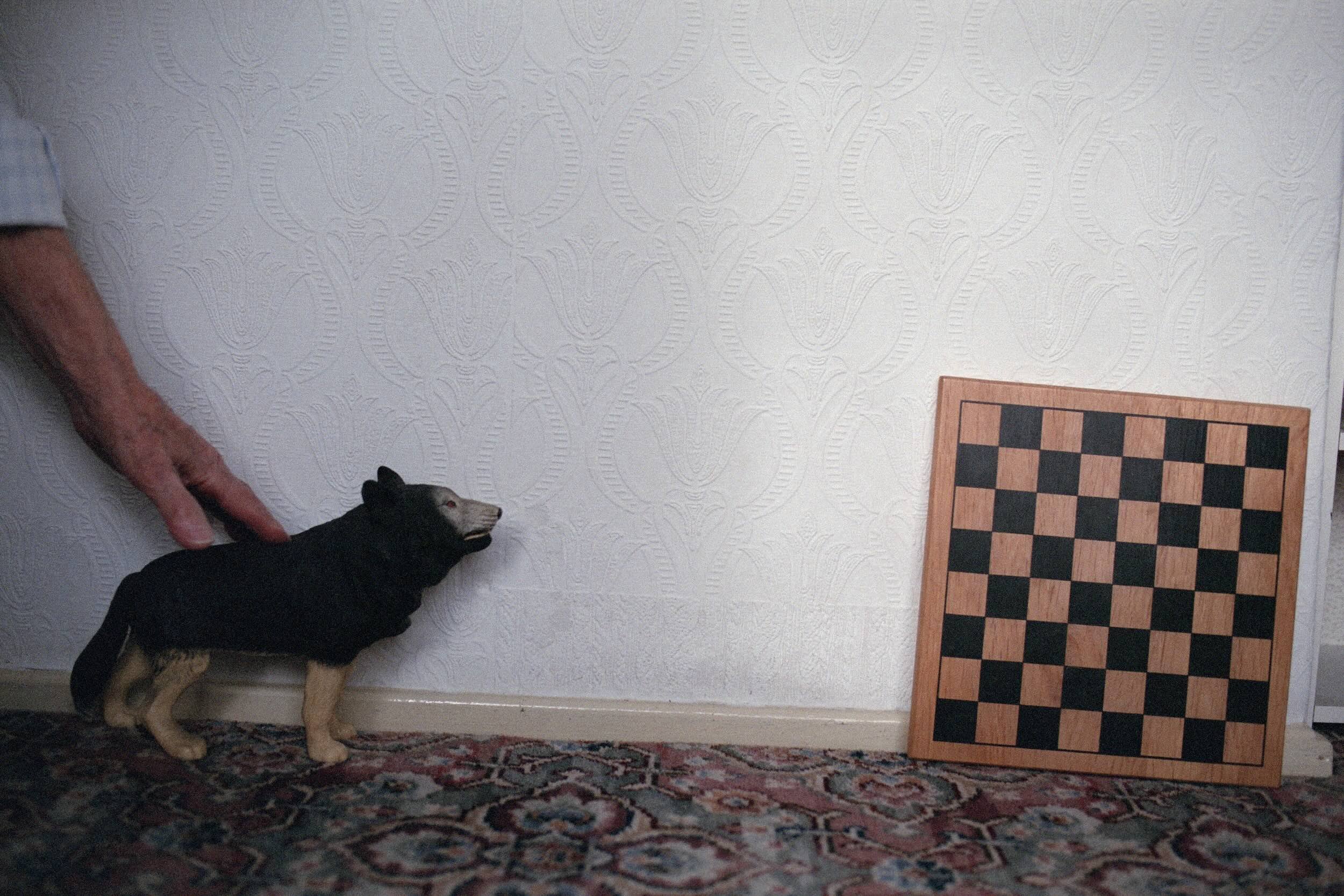
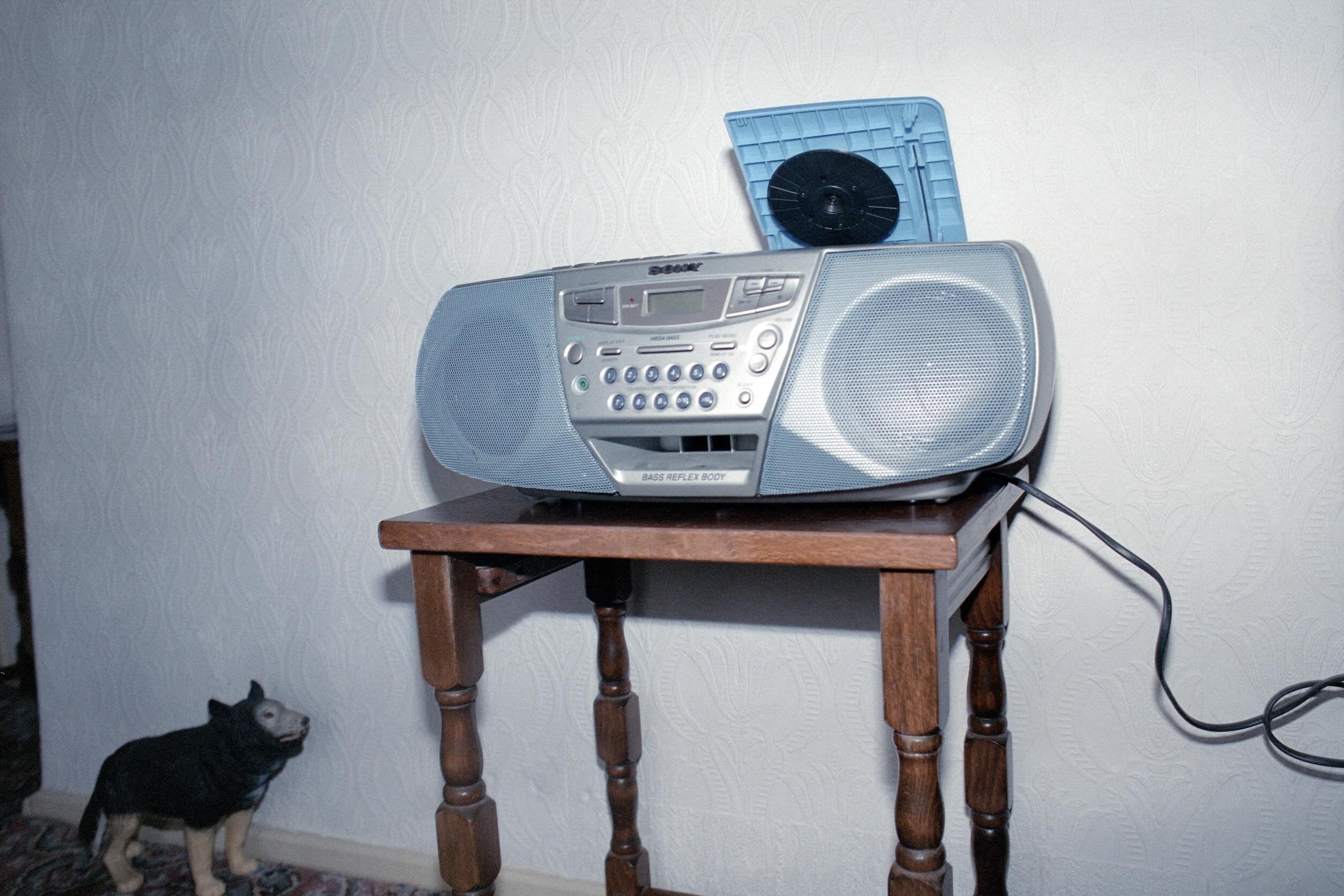
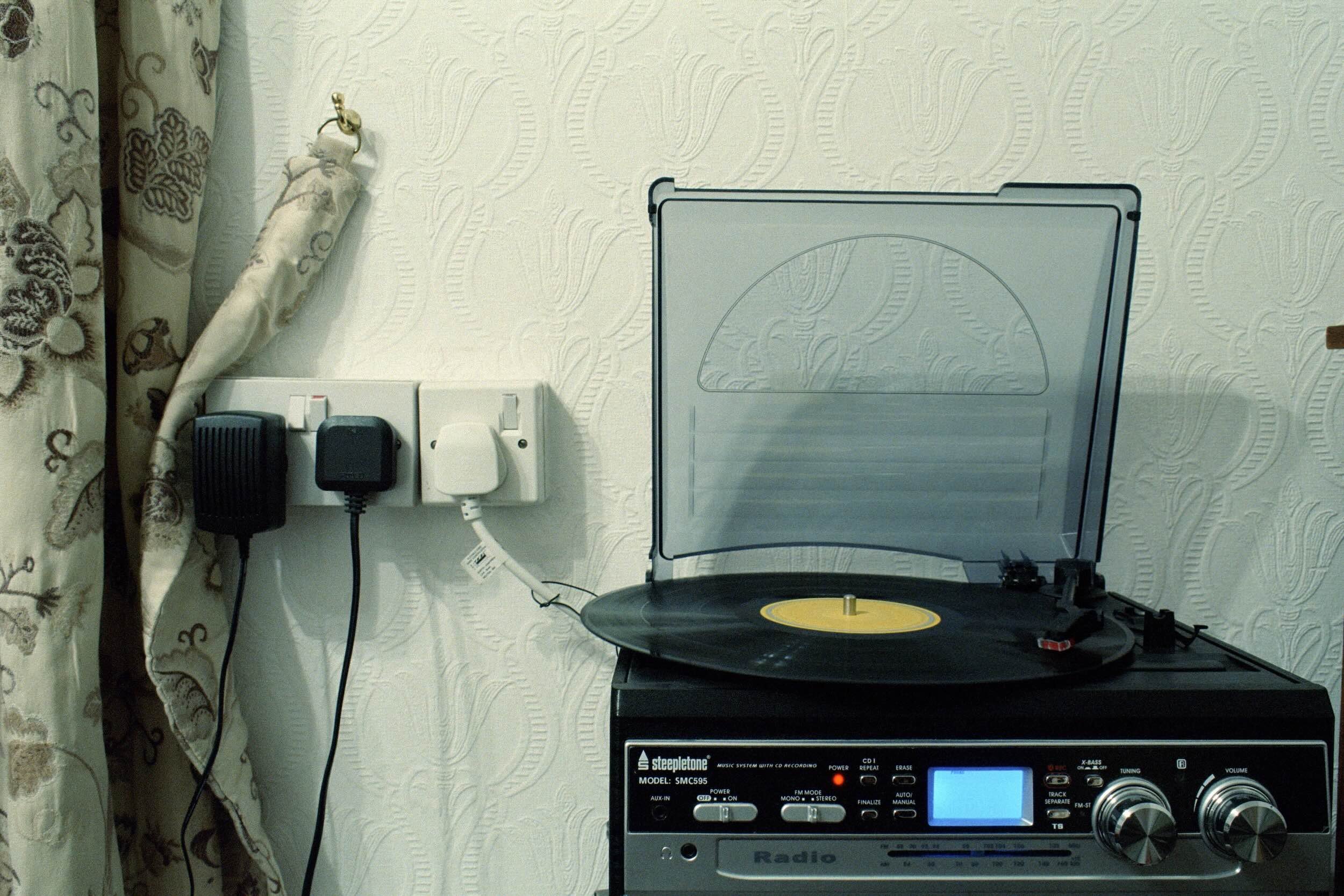
Occasionally, we listen to Frédéric Chopin, celebrating the moment in silence. Val reminisces about his long-gone adventures, as well as his beloved wife and four children. When we play checkers, I can see the spirit of competition in his eyes. He also speaks of his memories of the war, when, as a teenager, he was thrust on a long journey from Poland to Russia, then through the Middle East to Italy, and eventually settled in England. I offered him my company and help with whatever he needed. This is how our friendship began.
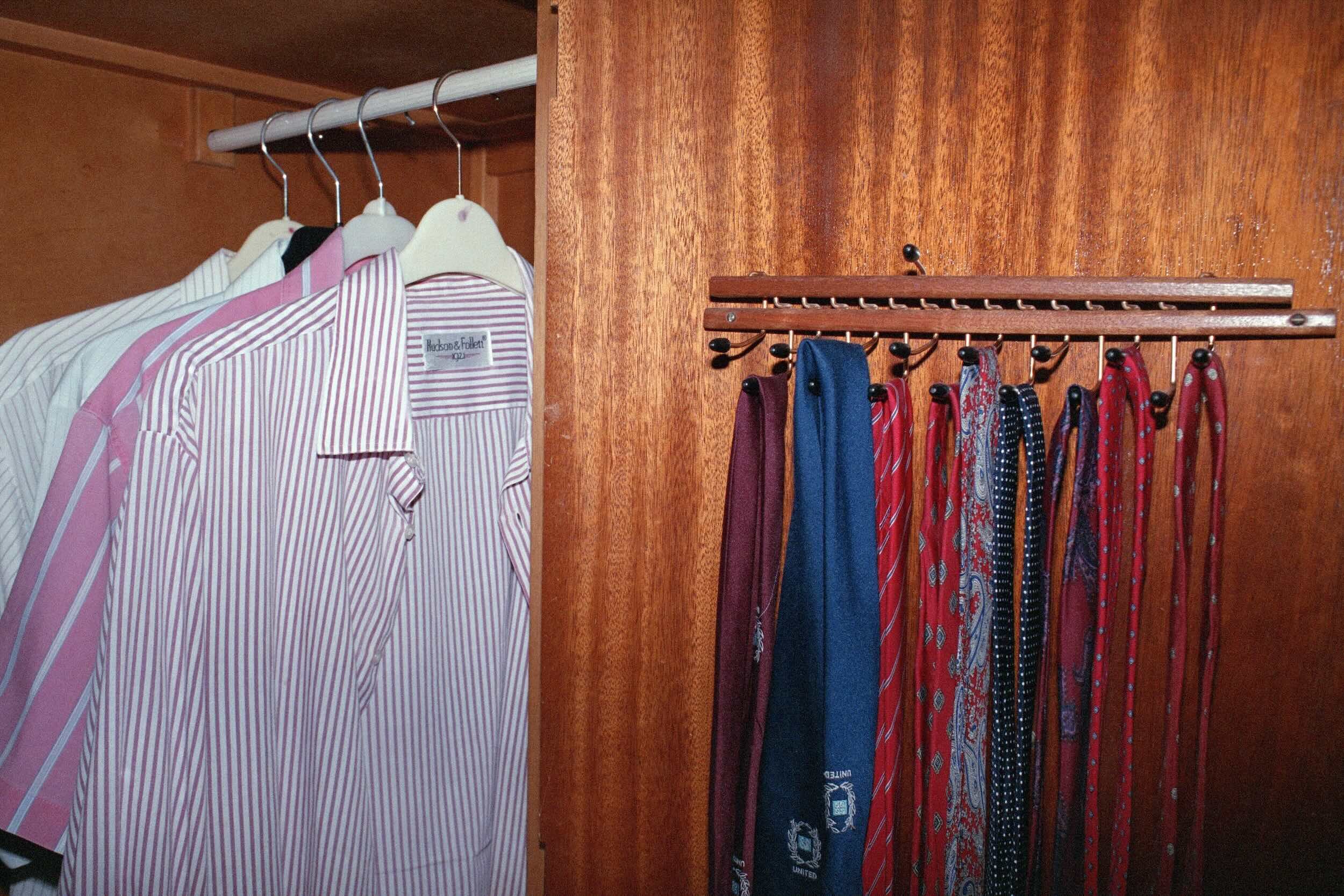
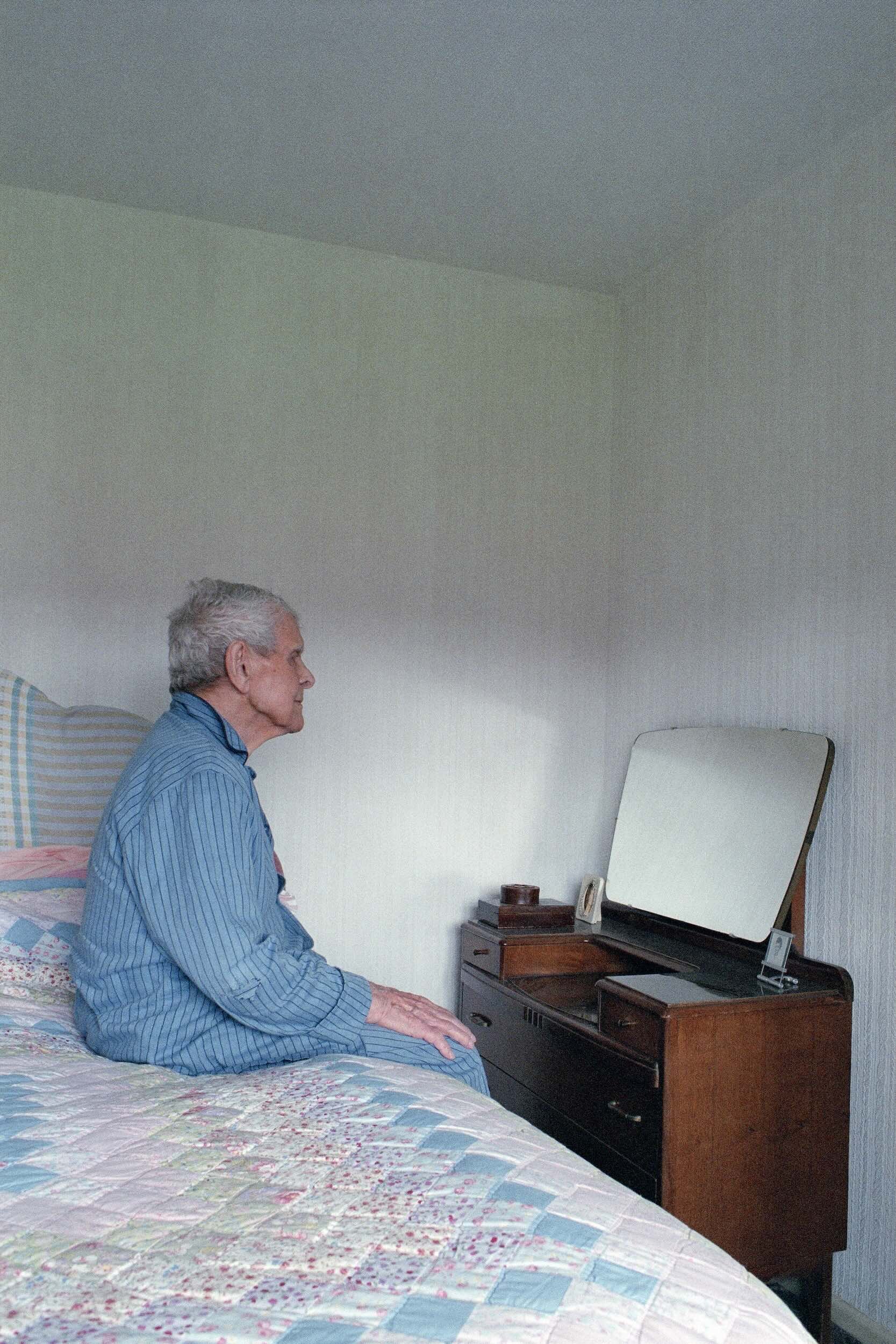
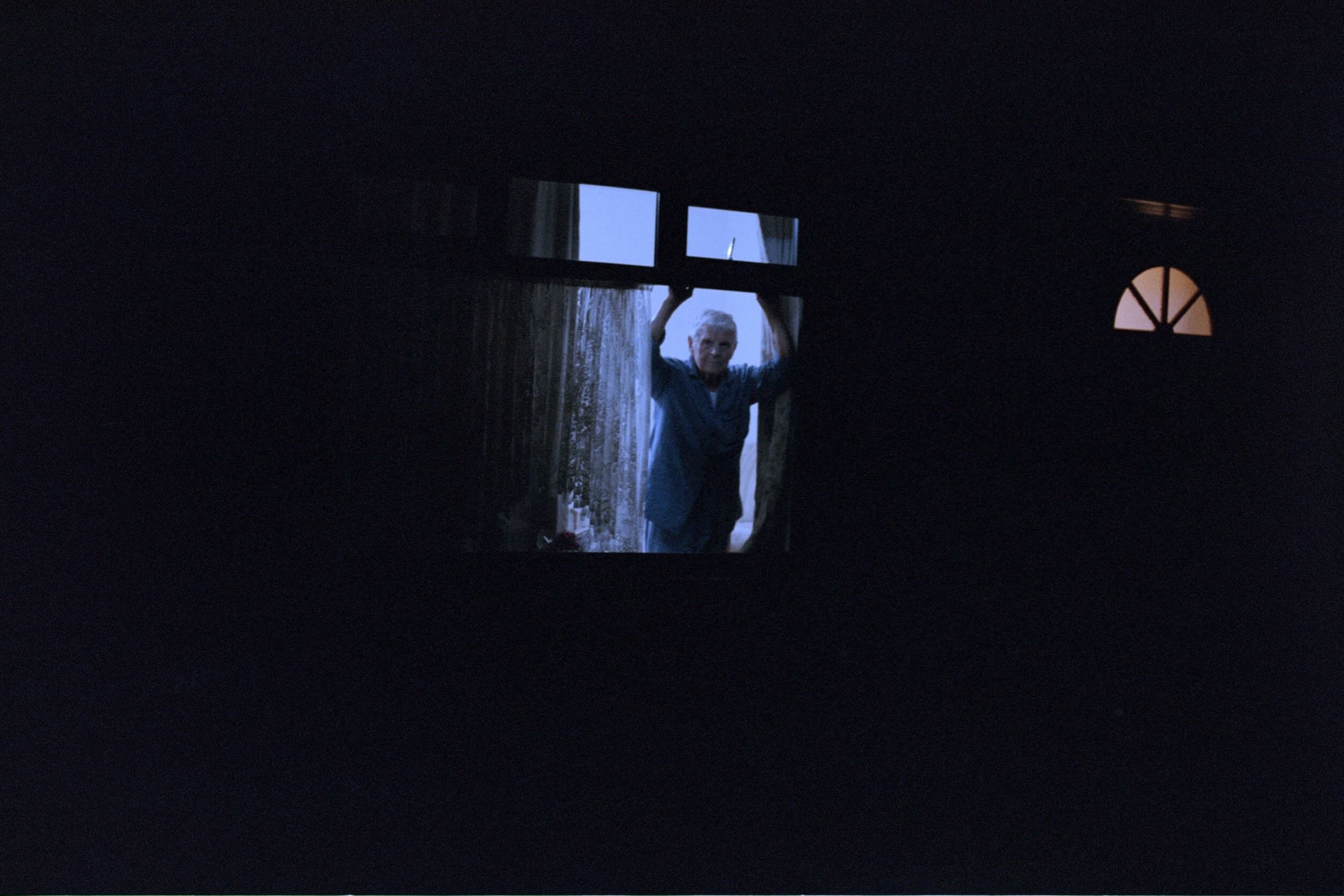
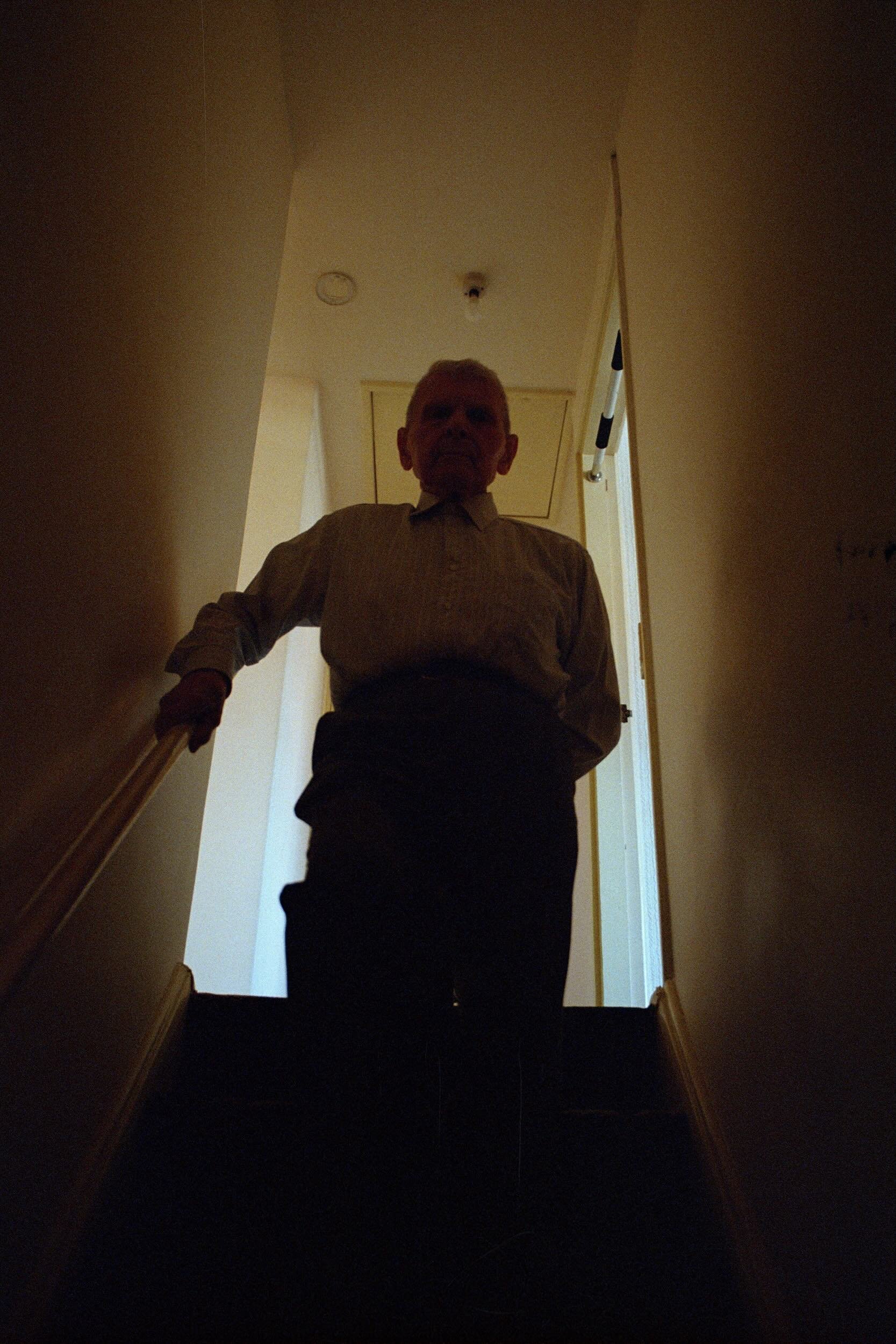
He has lived in the same house in Sneyd Green for nearly seventy years, with his wife, Ann, and their four children. After the children moved out and Ann passed away, Val met his partner, Margaret. But the neighbourhood was not always safe, so he bought a replica gun for security and has kept it close to his front door ever since, just in case.
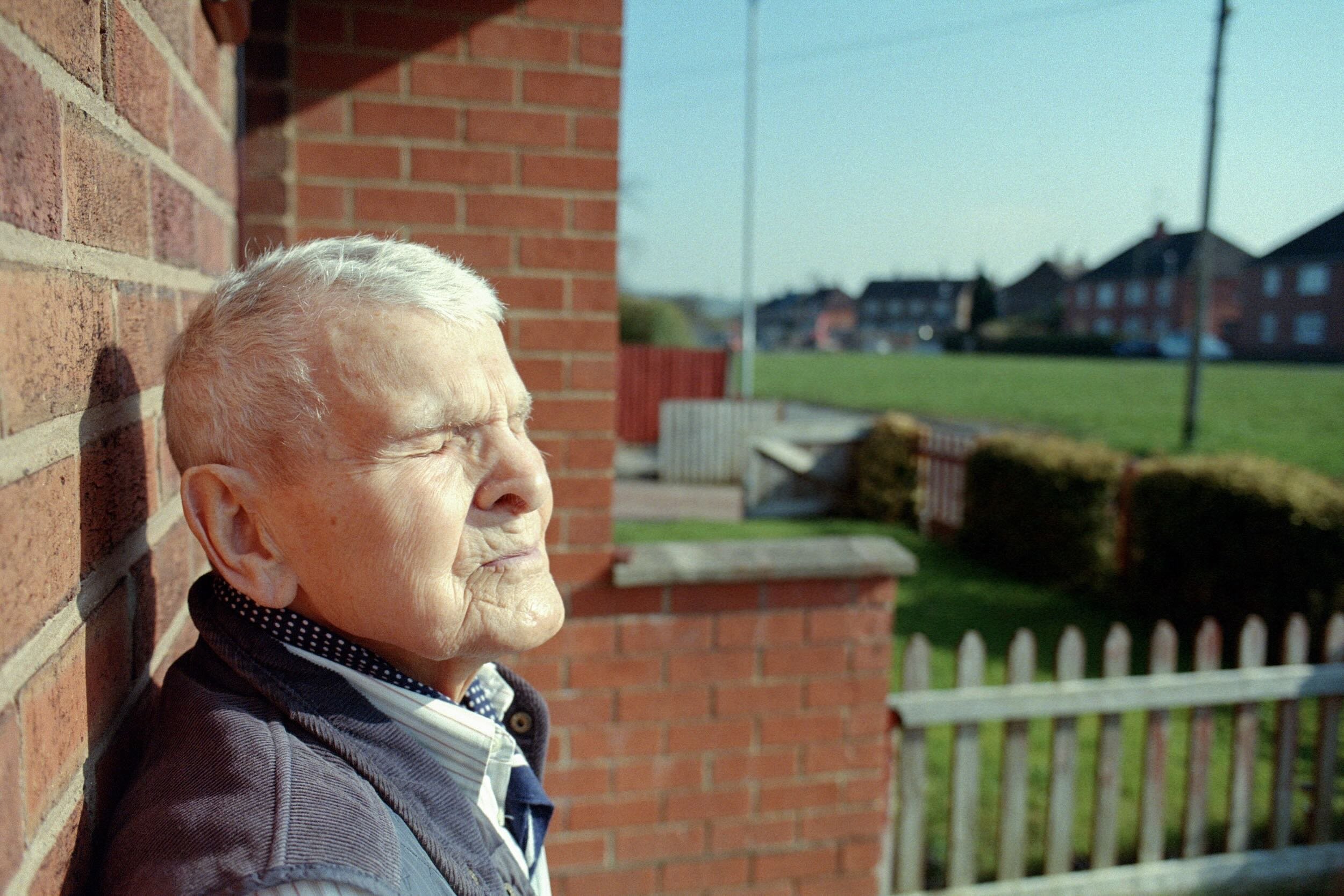
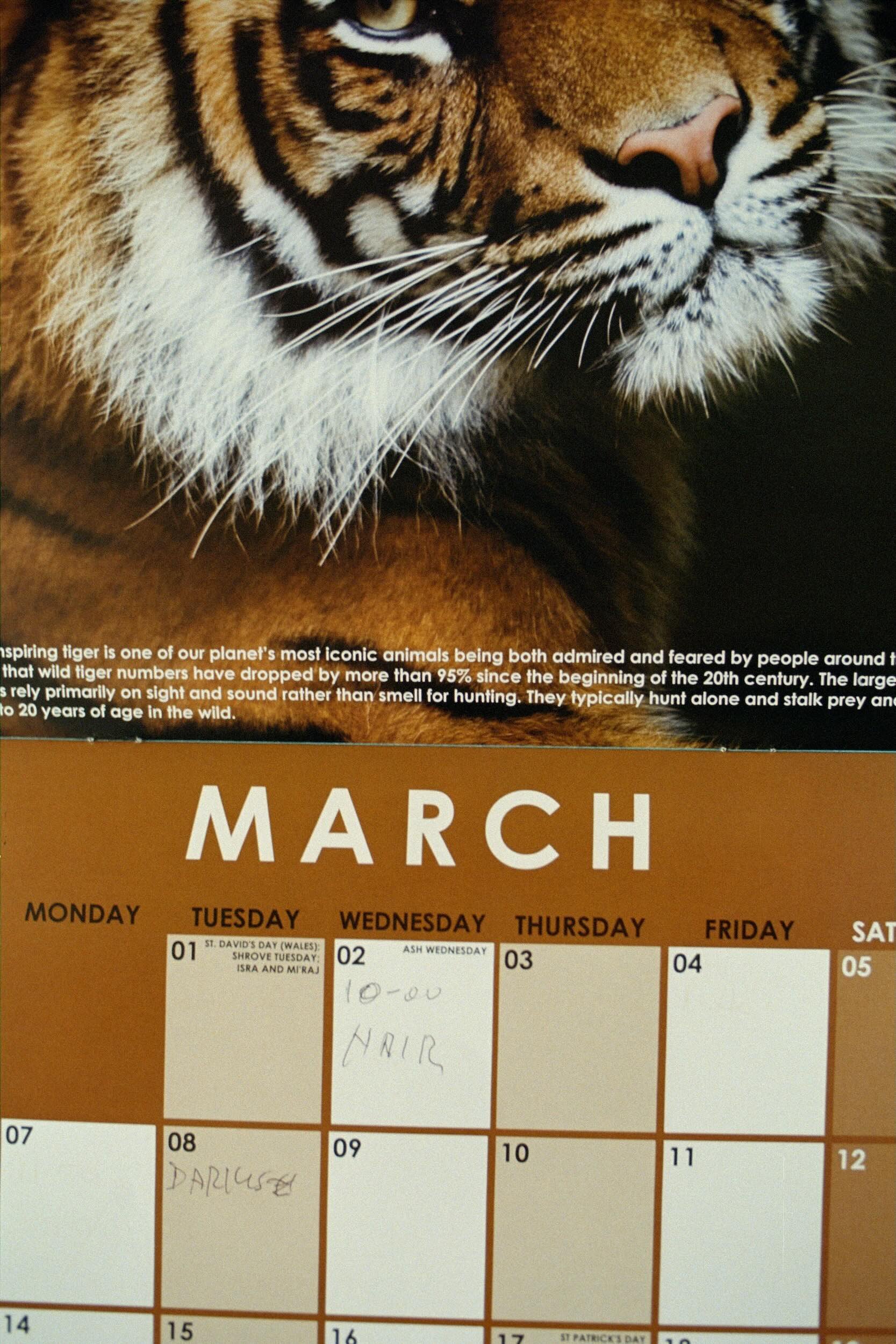
When the days grow longer and the temperature rises, he likes to get out of the house. But in winter he spends time at home making plans, such as buying an electric car, replacing the paving in the back garden, and preparing for his upcoming trip to his homeland, Poland.
I hope to learn from his not-so-simple life.
I photographed Val in the first months of 2022, when he was ninety-five. He passed away in December of that year.
He used to say that no generation needs a war. But war reminds us of what is important in life, and if we forget it, then war is just another page in a book, read and forgotten.